GLP-1 Foods to Avoid
GLP-1 medications amplify the effects of certain foods. Foods that cause minor discomfort off medication can trigger significant nausea, bloating, or vomiting on semaglutide or tirzepatide. Here's what to avoid — and what to eat instead.
Foods that worsen GLP-1 side effects
1. Fried and high-fat foods
Why to avoid: Fat significantly slows gastric emptying — and GLP-1 already slows gastric emptying. The combination creates severe, prolonged nausea. Fried chicken, chips, pizza, pastry, and anything in heavy cream sauce are the most common triggers.
The mechanism: Fat in the small intestine triggers CCK (cholecystokinin) release, which further slows stomach emptying. On GLP-1, this creates a compounding effect that can keep food in the stomach for 6–8 hours, causing sustained nausea.
Alternatives: Baked, steamed, or poached preparations of the same proteins. Replace chip-shop fish and chips with baked cod and a small plain potato.
2. Spicy food
Why to avoid: Capsaicin (the active compound in chilli) directly irritates the gastric mucosa and triggers nausea receptors. On GLP-1, where the stomach is already slowed and more sensitive, spicy food can cause immediate vomiting.
Alternatives: Use ginger, lemon, and herbs (basil, coriander, dill) for flavour without heat. Mild spices like cumin, turmeric, and coriander seed are generally well-tolerated.
3. Raw cruciferous vegetables
Why to avoid: Broccoli, cauliflower, cabbage, Brussels sprouts, and kale contain raffinose — a trisaccharide that the human gut cannot digest. It passes to the large intestine where gut bacteria ferment it, producing significant gas and bloating. On GLP-1, this bloating is amplified because food stays in the gut longer.
Alternatives: The same vegetables, cooked soft. Steaming or boiling broccoli until tender reduces fermentable compounds significantly. Spinach and courgette are gentler alternatives.
4. High-sugar foods and drinks
Why to avoid: Rapid blood sugar spikes from sugary food cause the body to release large amounts of insulin. On GLP-1 — which is already modulating blood sugar — this can create unpredictable blood sugar patterns. Post-sugar crashes also worsen fatigue, which is already a common GLP-1 side effect.
Alternatives: Fresh fruit (slower sugar absorption due to fibre), small amounts of dark chocolate (70%+), or naturally sweetened desserts like plain Greek yogurt with honey.
5. Alcohol
Why to avoid: Alcohol has a diuretic effect that compounds the dehydration risk that already exists with GLP-1-related nausea and vomiting. It also irritates the gastric lining directly. Additionally, GLP-1 medications change alcohol metabolism — many users report feeling significantly more intoxicated on lower amounts of alcohol.
Note: Some users report GLP-1 medication has dramatically reduced their desire for alcohol — this is a reported but not fully understood secondary effect that's being studied.
6. Carbonated drinks
Why to avoid: Carbonation adds gas to an already-slowed digestive system. Fizzy water, sparkling wine, beer, and soft drinks all contribute to bloating and belching, which is significantly worse on GLP-1.
Alternatives: Still water with lemon or cucumber, herbal teas (ginger, peppermint, chamomile), diluted fruit juice.
7. High-FODMAP foods (especially early in treatment)
Why to avoid: FODMAPs (fermentable oligosaccharides, disaccharides, monosaccharides, and polyols) are short-chain carbohydrates that ferment in the gut. They're well-studied triggers for IBS-like symptoms. On GLP-1, even people who previously tolerated high-FODMAP foods may develop sensitivity because of the altered gut motility.
High-FODMAP foods to be cautious with: Onions, garlic, leeks, apples, pears, stone fruit, legumes (lentils, chickpeas, kidney beans in large amounts), wheat in large quantities.
Strategy: You don't need to eliminate these forever — just reduce quantities, especially in the first 4–8 weeks, then reintroduce slowly to find your tolerance threshold.
8. Tough red meat
Why to avoid: Red meat takes significantly longer to digest than white meat or fish. On GLP-1, which already slows digestion, a large steak or burger can cause sustained nausea for hours. The fat content of most red meat compounds this effect.
Alternatives: Very lean cuts (sirloin, fillet) in smaller portions, or switch to chicken, fish, or tofu as primary proteins. If you do eat red meat, keep the portion to 80–100g and use lean cuts only.
Gentler recipes to try instead
Softer, simpler, lower-fat meals that some people find easier to tolerate. Tolerance varies by person, portion and symptom.
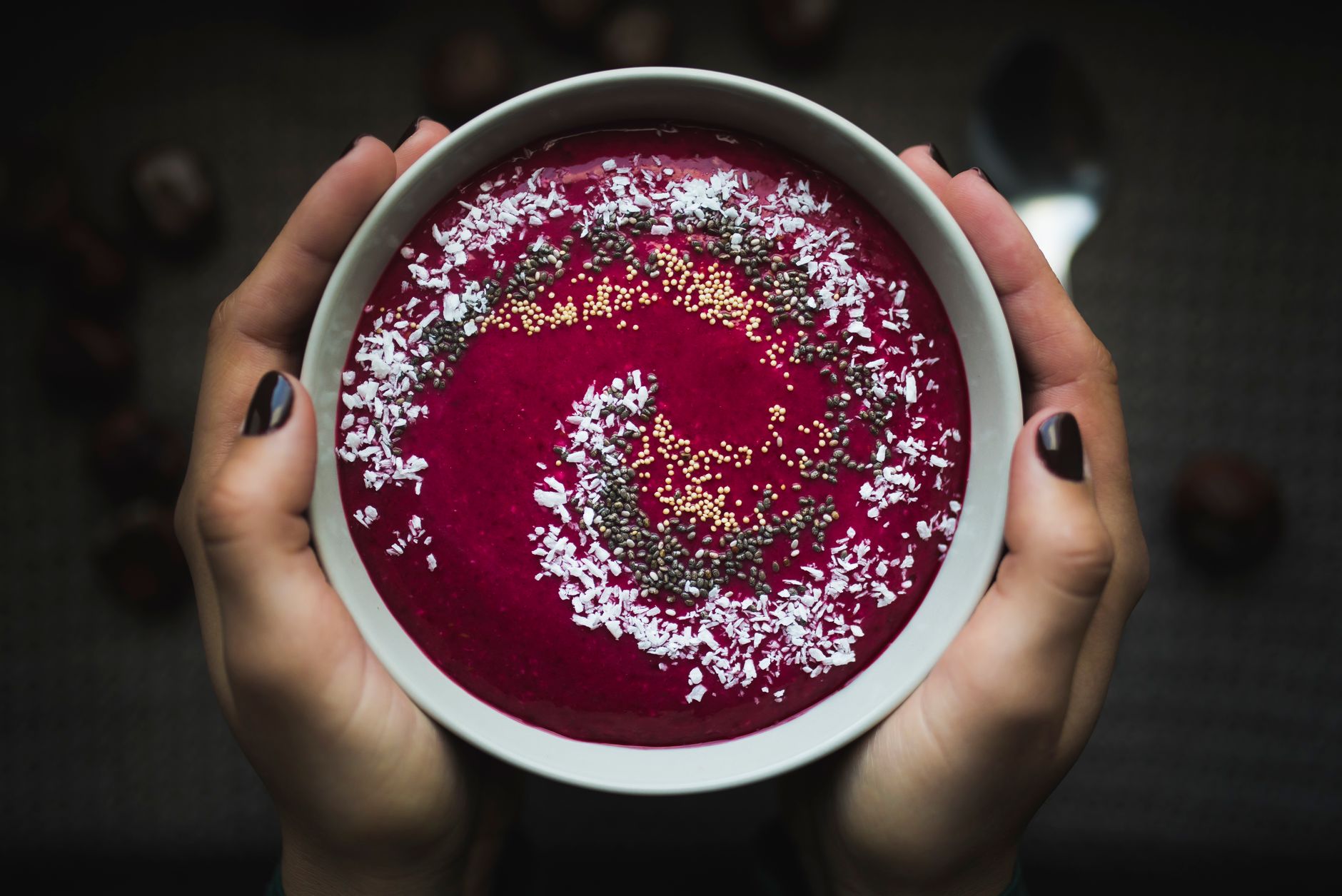
Coconut-Berry-Chia Sipper Smoothie
A gentle, low-FODMAP smoothie designed for people on GLP-1 medications who struggle with bloating. It uses light coconut milk, low-fiber fruits, and a small amount of chia for creaminess and mild gut support while keeping fat and fermentable fibers low to stay easy on digestion.
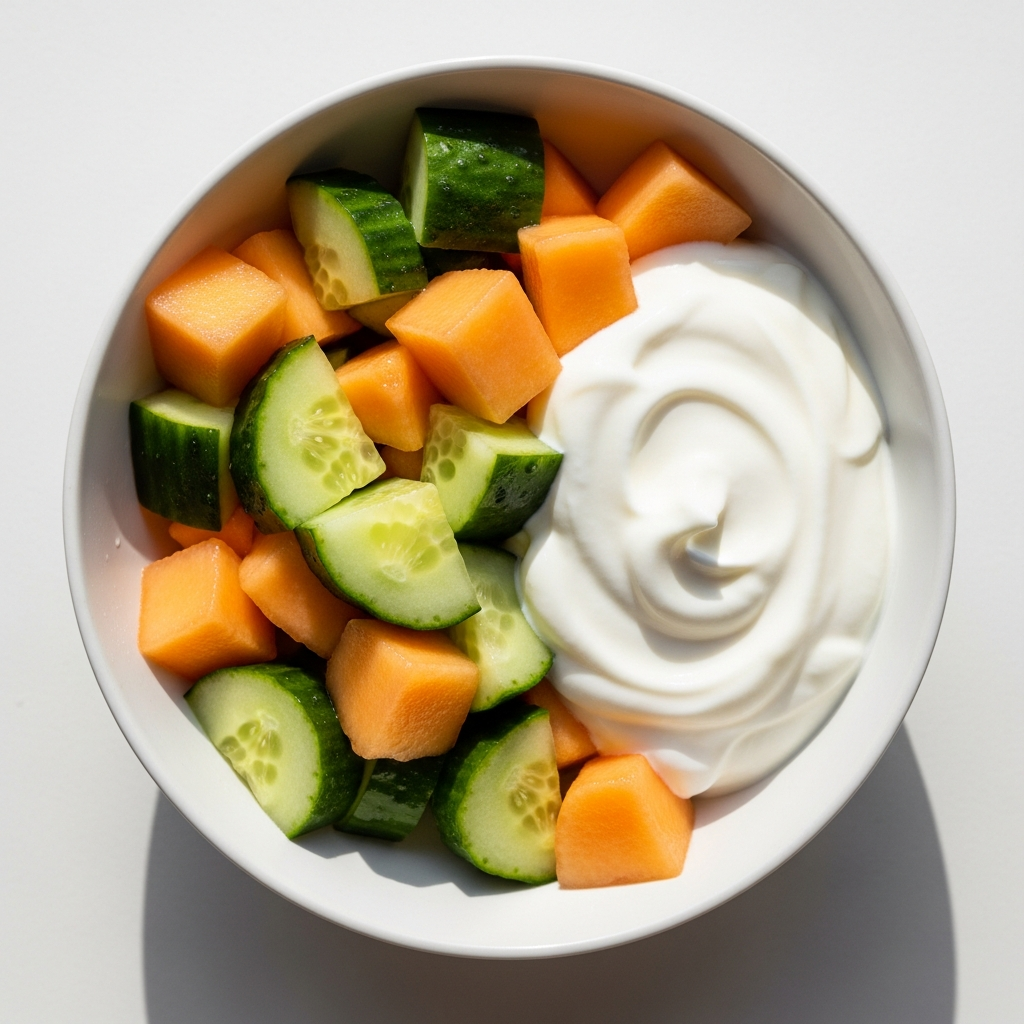
Cucumber-Melon Hydration Bowl with Greek Yogurt
This light, vegetarian lunch bowl is designed for GLP-1 users experiencing bloating, combining hydrating cucumber and melon with a small amount of gentle, lactose-free Greek-style yogurt. Soft quinoa and tofu add complete protein while keeping fibre and fat moderate, supporting easier digestion and less gas with slower gastric emptying.
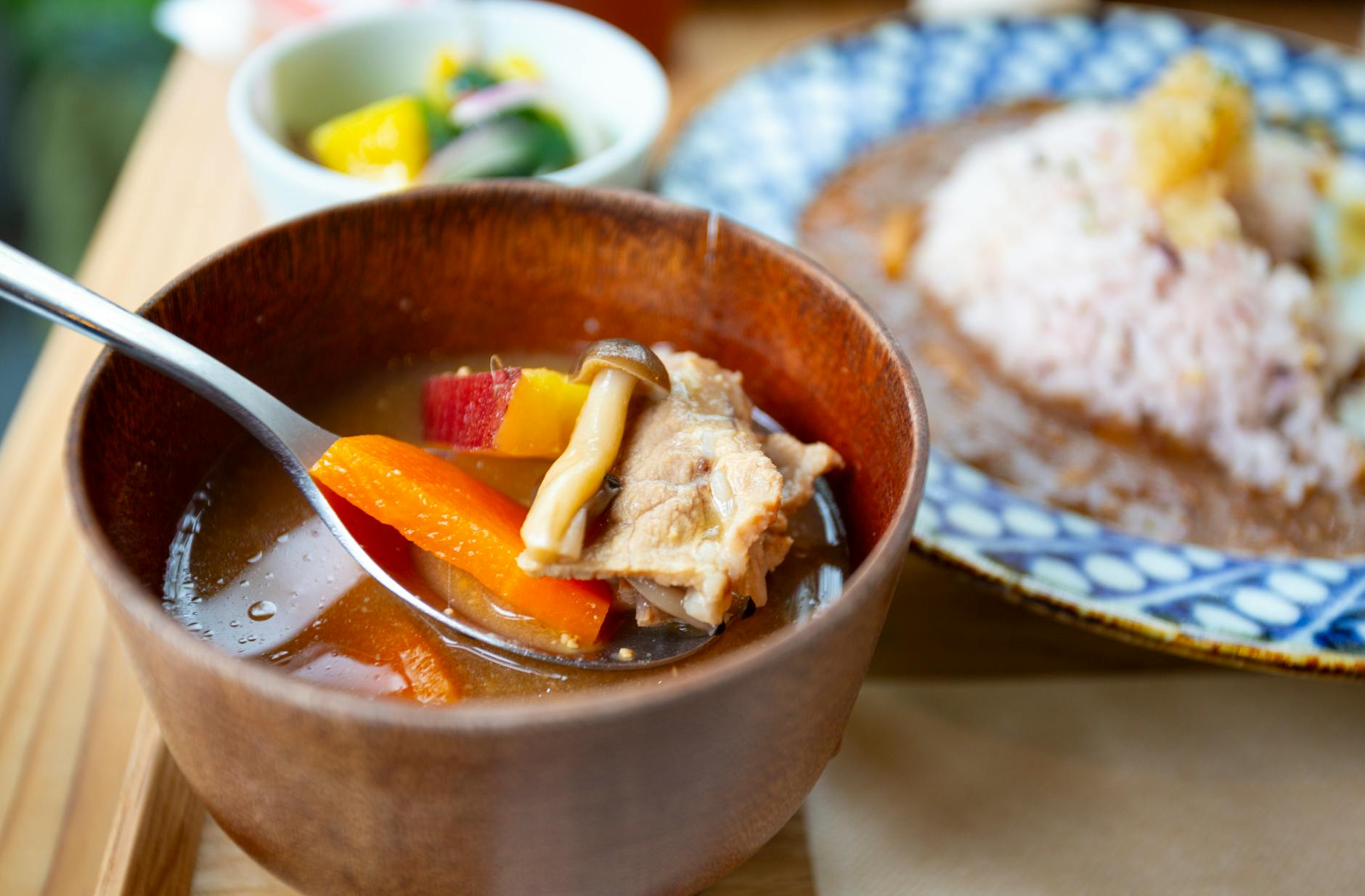
Gentle Chicken Rice Soup with Ginger
A light, low-fat chicken and rice soup designed for GLP-1 users who need something easy on the stomach. The smooth texture, low fiber content, and calming ginger help ease bloating while still providing protein and steady energy in a small, manageable portion.
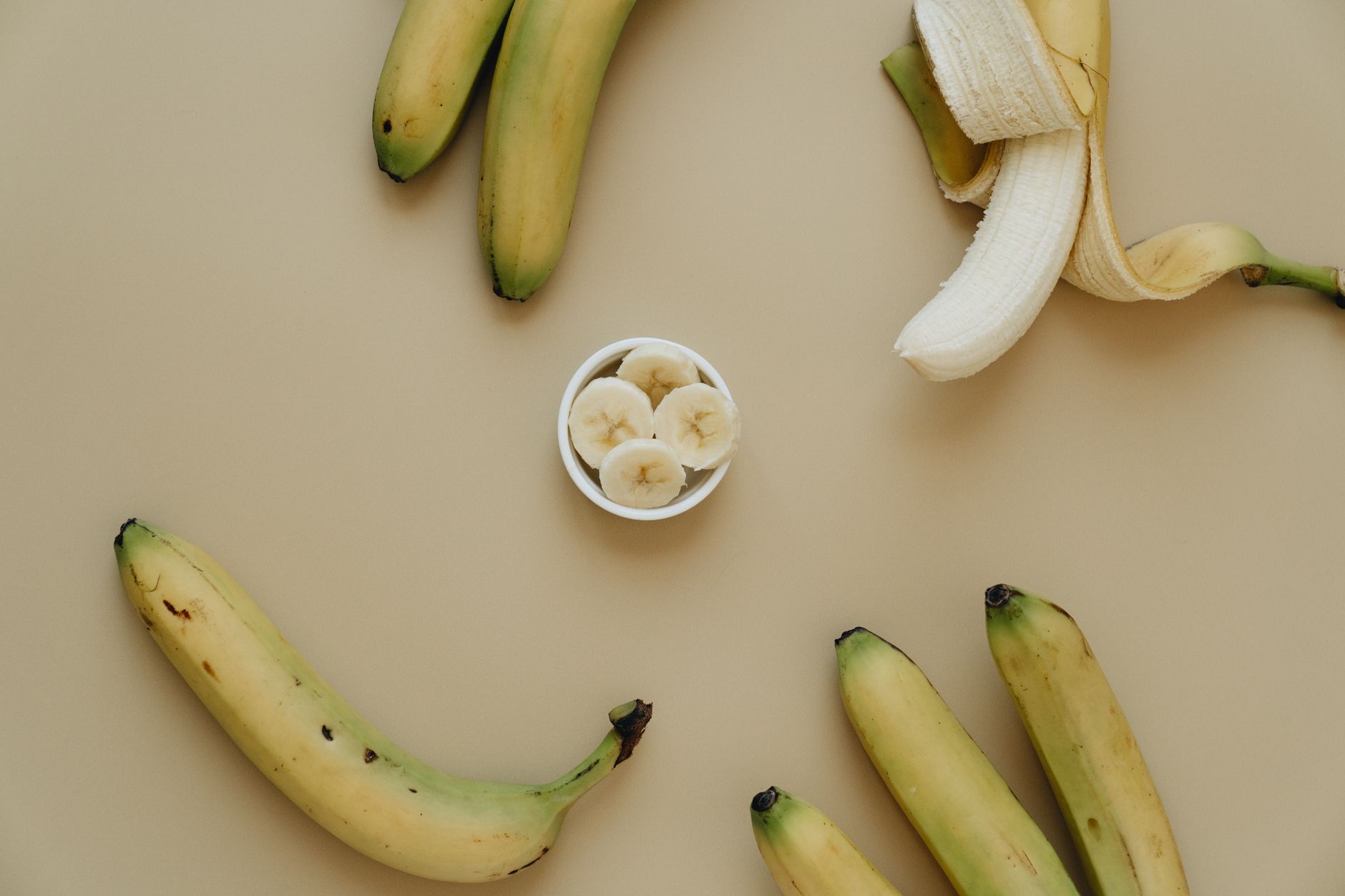
Gentle Ginger Banana Smoothie
This low-fiber, low-fat smoothie is designed for GLP-1 users who struggle with bloating, using easily digestible ingredients and calming ginger to reduce gas discomfort. The high-protein, small-portion blend supports nutrition when appetite is low while staying gentle on a slowed digestive system.
Build a day of meals that suits you right now
Two quick questions and we’ll put together a day of meals from our recipe library.
See how the GLP-1 meal plan builder works
Step 1 of 3
Please pick one so we know where to start.
Step 2 of 3
Pescatarian plus excluding both fish and shellfish doesn't leave anything to build from — pick one or the other.
Step 3 of 3
We will use this to send your day
We'll email you this day as a PDF, plus a quick intro to Food Signals and our current offer.
Please enter a valid email address.
Food Signals
Your day of meals
Daily Reference Ranges
Dietitian's Note
A lot to work around.
We've built this day inside everything you told us. With this many things to avoid — and a smaller appetite on top — it's worth talking it through with a dietitian who can look at the whole picture with you, especially around protein.
Missing something you'd like to see? Tell us what you'd cook and we'll add recipes that fit.
Thanks — we've got it.
We've emailed an intro to Food Signals, an overview of what it does, and our current offer — with your plan attached as a PDF.
Save this day?
Food Signals is open by waiting list at the moment. Add your details and we'll write to you when your place is ready — then you get 14 days of the whole app, with no card needed.
We never share your email, and you can ask us to delete it any time. Read our privacy policy → Consumer Health Data Privacy Policy
You're on the waiting list
We'll email when your place is ready, and you get 14 days of the whole app, with no card needed.
We're keeping this plan for you.
You're in — welcome!
Taking you straight into the app…
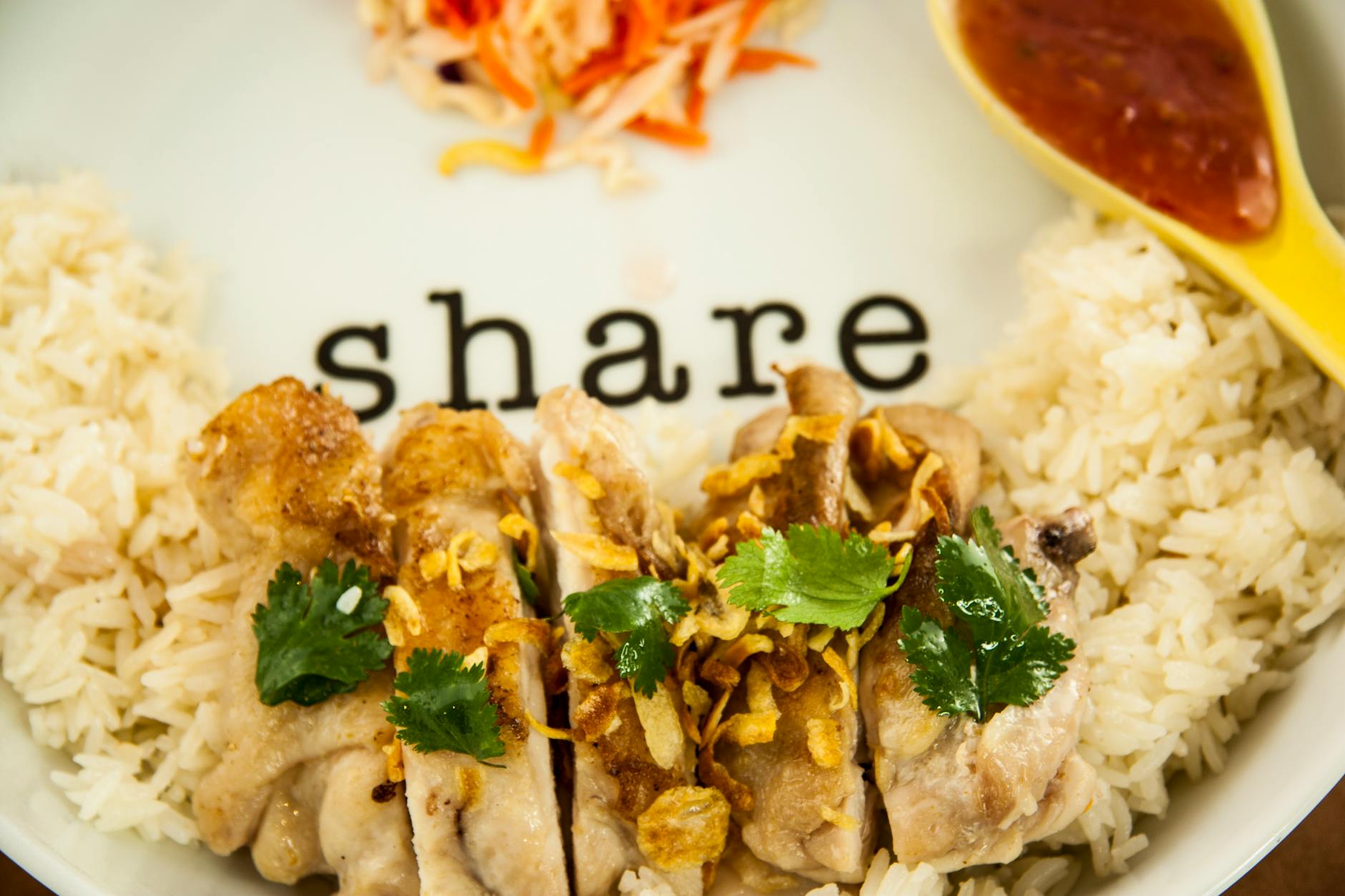
Gentle Ginger Chicken Rice Bowl
A light, low-fat ginger chicken rice bowl designed for GLP-1 users who struggle with bloating. It uses easily digestible white rice, lean chicken, and a mild ginger broth base to reduce gas formation while still providing solid protein in a small, gentle portion.
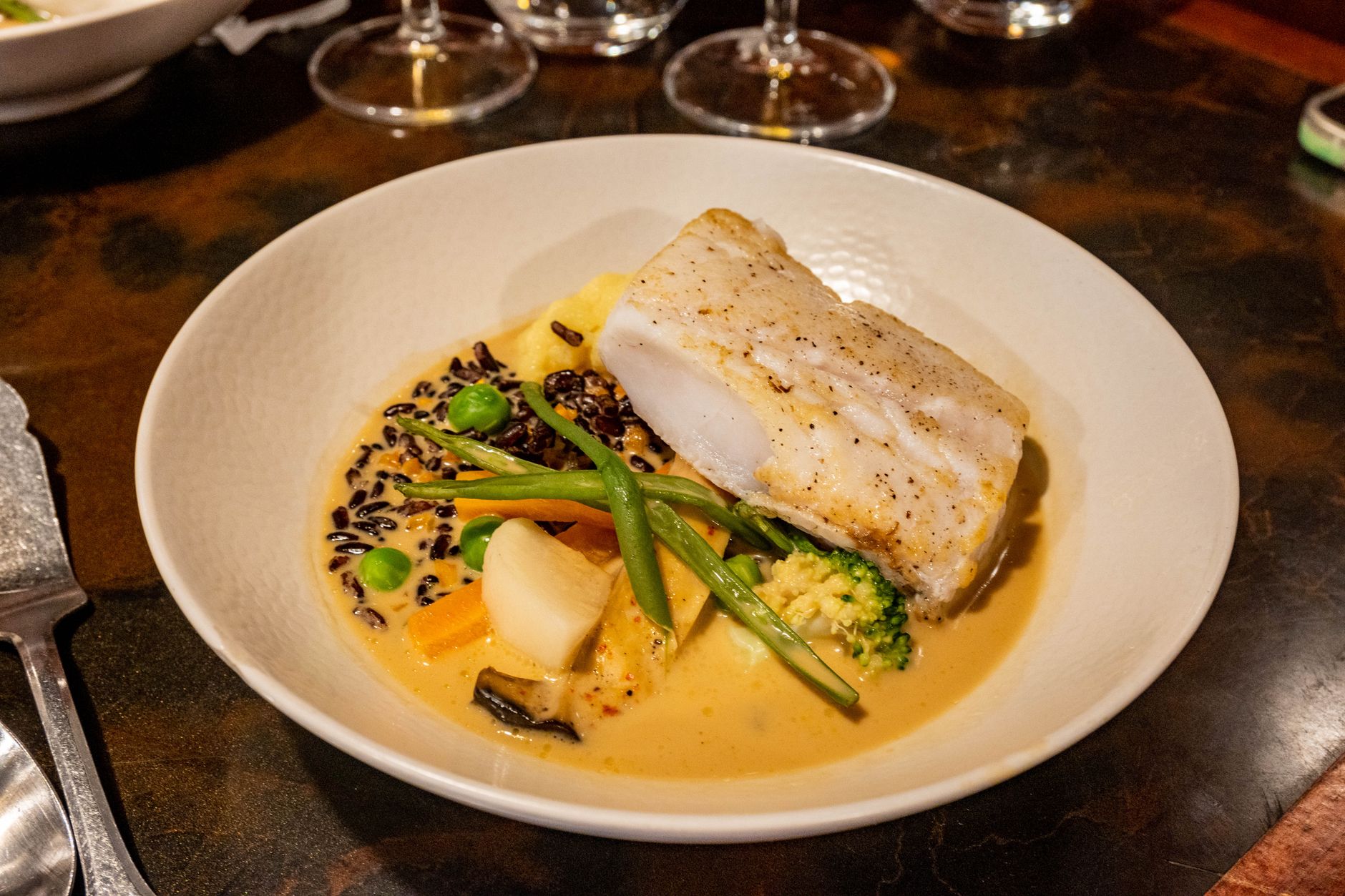
Herb Baked Cod with Soft Brown Rice and Carrot
This gentle Mediterranean-style cod dinner uses soft brown rice and tender carrots to provide slow-digesting carbs and lean protein without overloading the gut. It is low in fat, low in fermentable fiber, and lightly seasoned to help reduce bloating and gas for people on GLP-1 medications.
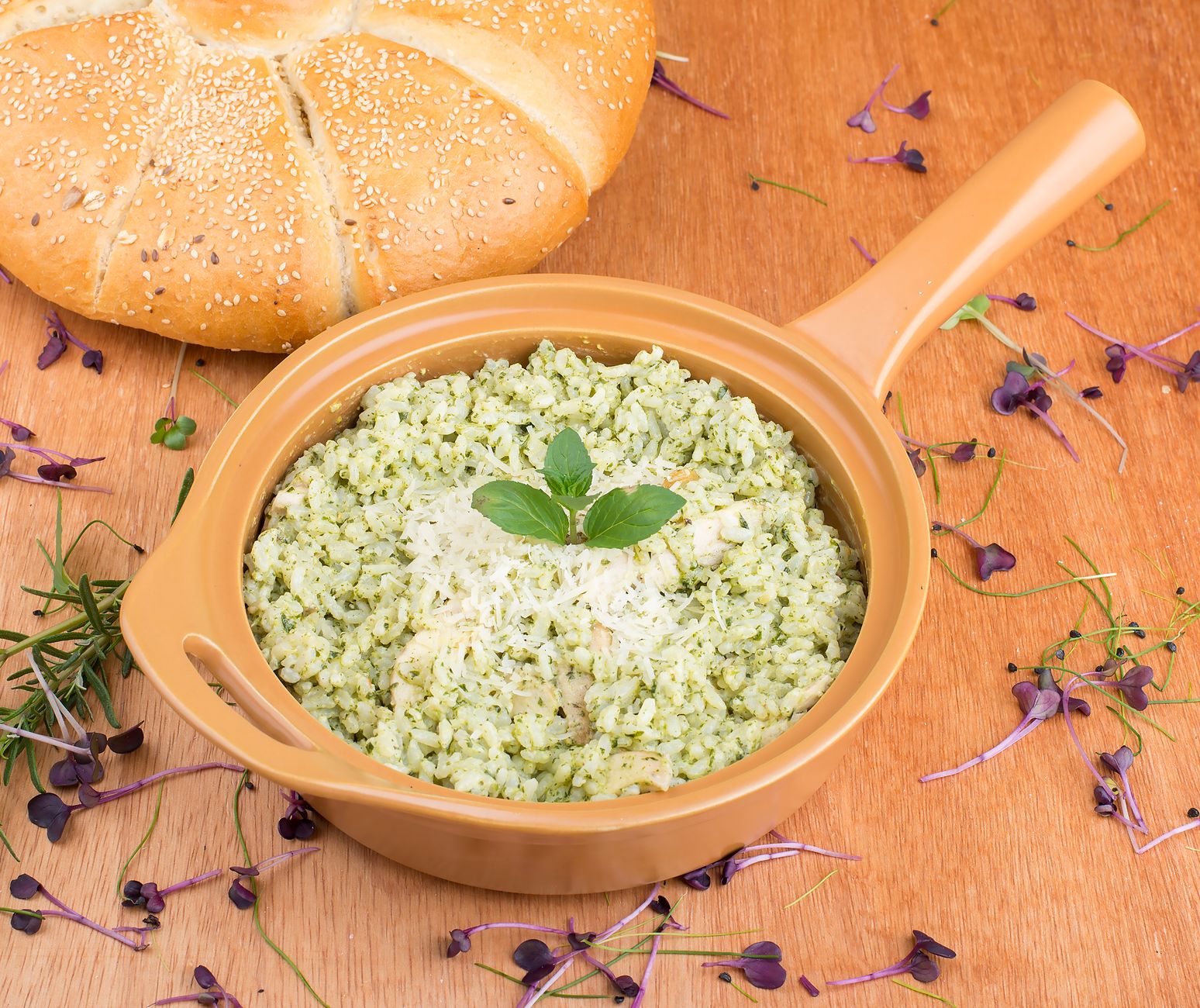
Herb Baked Cod with Soft Brown Rice Pasta
This gentle Mediterranean-style cod and soft brown rice pasta dinner is designed for GLP-1 users dealing with bloating, using low-fat fish and easily digestible, low-fiber carbs to reduce gas and fullness. Light herbs and olive oil add flavor without heavy sauces, while the small, protein-rich portion supports nutrition when appetite is low.
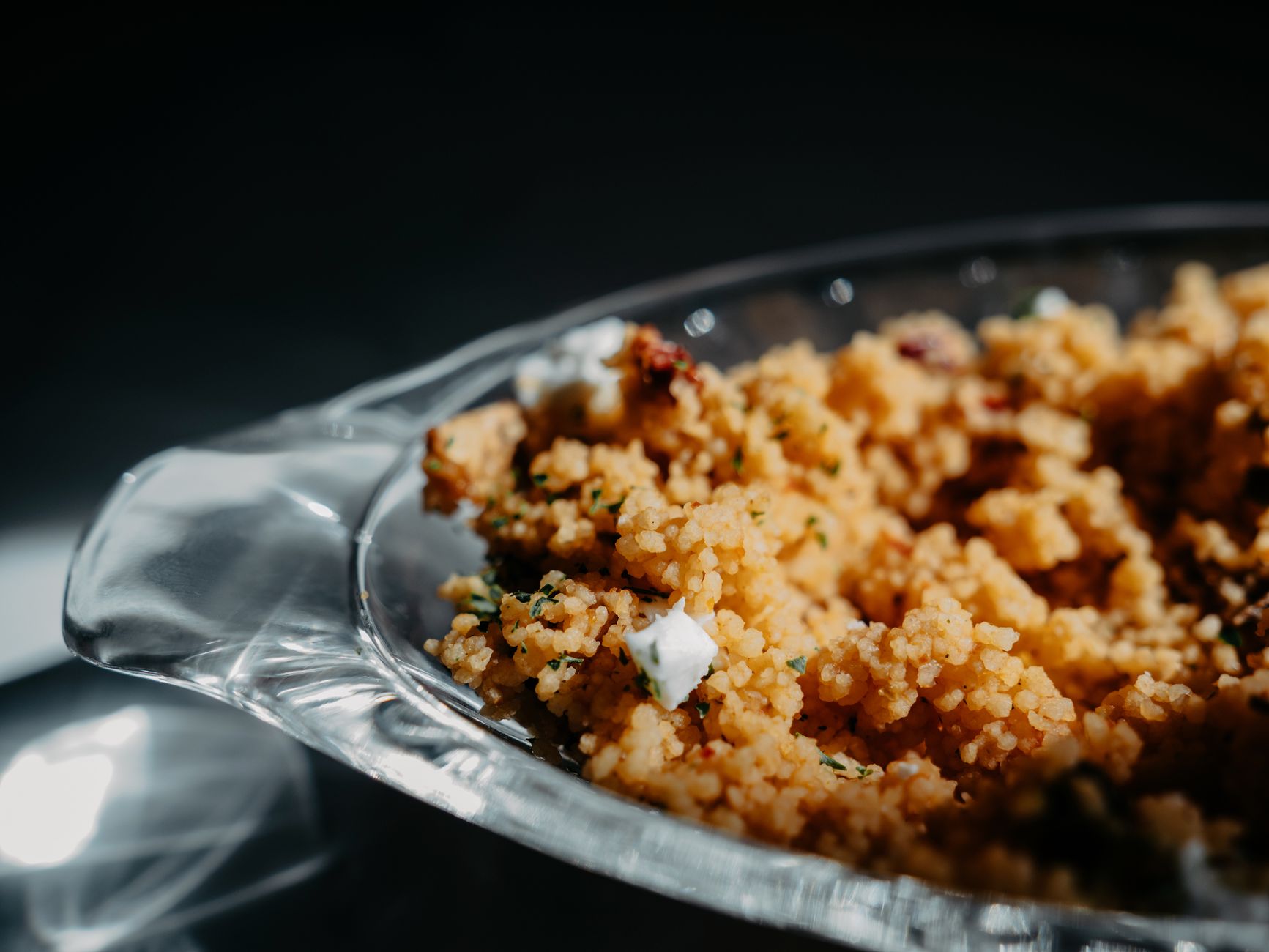
Herbed Tuna Couscous Bites
These soft, savory tuna couscous bites are designed for GLP-1 users with bloating, using low-fat fish protein and tender couscous for easy digestion. Gentle Mediterranean herbs add flavor without strong garlic or onion, helping you get satisfying protein in a small, bloat-friendly snack.

Low-FODMAP Vanilla Ginger Smoothie
This gentle, low-fiber, low-fat smoothie is designed for GLP-1 users who struggle with bloating and gas from slower gastric emptying. It uses low-FODMAP ingredients, light protein, and calming ginger to support easier digestion while still providing balanced nutrition in a small, easy-to-tolerate portion.