Zepbound Meal Plan: 7-Day Tirzepatide Weight-Loss Plan
Zepbound is tirzepatide at full weight-loss doses (up to 15mg weekly) — the same active ingredient as Mounjaro, with appetite suppression strong enough that many users eat well under 1,000 calories a day without noticing. This plan is built around the single biggest risk at that intake: losing muscle, not just weight.
Why Zepbound needs a protein-first plan
Zepbound and Mounjaro are the same molecule, tirzepatide — a dual GIP/GLP-1 agonist. The difference is the label: Mounjaro is approved for type 2 diabetes, Zepbound for chronic weight management, and Zepbound users are typically titrated to the higher end of the dose range (up to 15mg) specifically to maximise weight loss. The practical effect on eating:
- Intake often drops further than people realise. It's common to land at 600–900 kcal a day without deliberately restricting — the appetite signal simply doesn't show up.
- Muscle loss is the real risk, not just fat loss. Rapid weight loss without adequate protein pulls a meaningful share of that loss from muscle. At full weight-loss doses this matters more, not less, than on lower-dose tirzepatide.
- Nausea follows the same pattern as Mounjaro. Same drug, same GI mechanism — injection-day and next-day nausea, improving through the rest of the week.
- Small, frequent, protein-dense beats three big meals. A stomach that empties slowly handles several small protein hits far better than one large plate.
Guideline ranges on Zepbound
| Nutrient | Guideline range | Why |
|---|---|---|
| Protein | 80–100g minimum (or 1.2–1.6g/kg bodyweight) | The single biggest lever against muscle loss at full-dose tirzepatide intake levels |
| Calories | 900–1,400 kcal (typical) | Full weight-loss doses commonly cut intake by 50%+ versus pre-treatment |
| Fibre (early) | 10–15g | Keep bloating and GI discomfort manageable during dose escalation |
| Water | 2–2.5 litres | Dehydration compounds nausea, fatigue and constipation |
Weekly structure on Zepbound
Zepbound is injected once weekly. Your week will typically look like this:
- Injection day: Eat your most substantial, protein-dense meal before injecting. Keep anything after to small and gentle.
- Day 2–3 (peak effect): Appetite and nausea both peak. This is where small, protein-first, easy-to-digest meals matter most.
- Day 4–7 (recovery): Appetite gradually returns. Use the better days to close any protein deficit from earlier in the week.
7-day Zepbound sample meal plan
Day 1 — Injection Day
Injection dayEat your biggest, highest-protein meal before injecting. Keep anything after small.
Day 2 — Peak Effect
Gentlest dayAppetite and nausea both peak 24–48h post-injection. Cold, small, protein-first.
Day 3 — Recovery
RecoveryNausea easing. Warm, soft, still protein-forward.
Day 4 — Building
Normal dayAppetite returning. Start closing the week's protein gap.
Day 5 — High Protein
High proteinGood appetite day — deliberately aim toward the higher end of the protein guideline range.
Day 6 — Best Appetite
Full planOften the best eating day of the week. Nutrient-dense, varied meals.
Day 7 — Pre-Injection
Pre-injectionLast full day before next injection. Eat well and prioritise protein.
Recipes by meal type
Sorted by protein content — use these as swaps for any day in the plan above.
Breakfasts
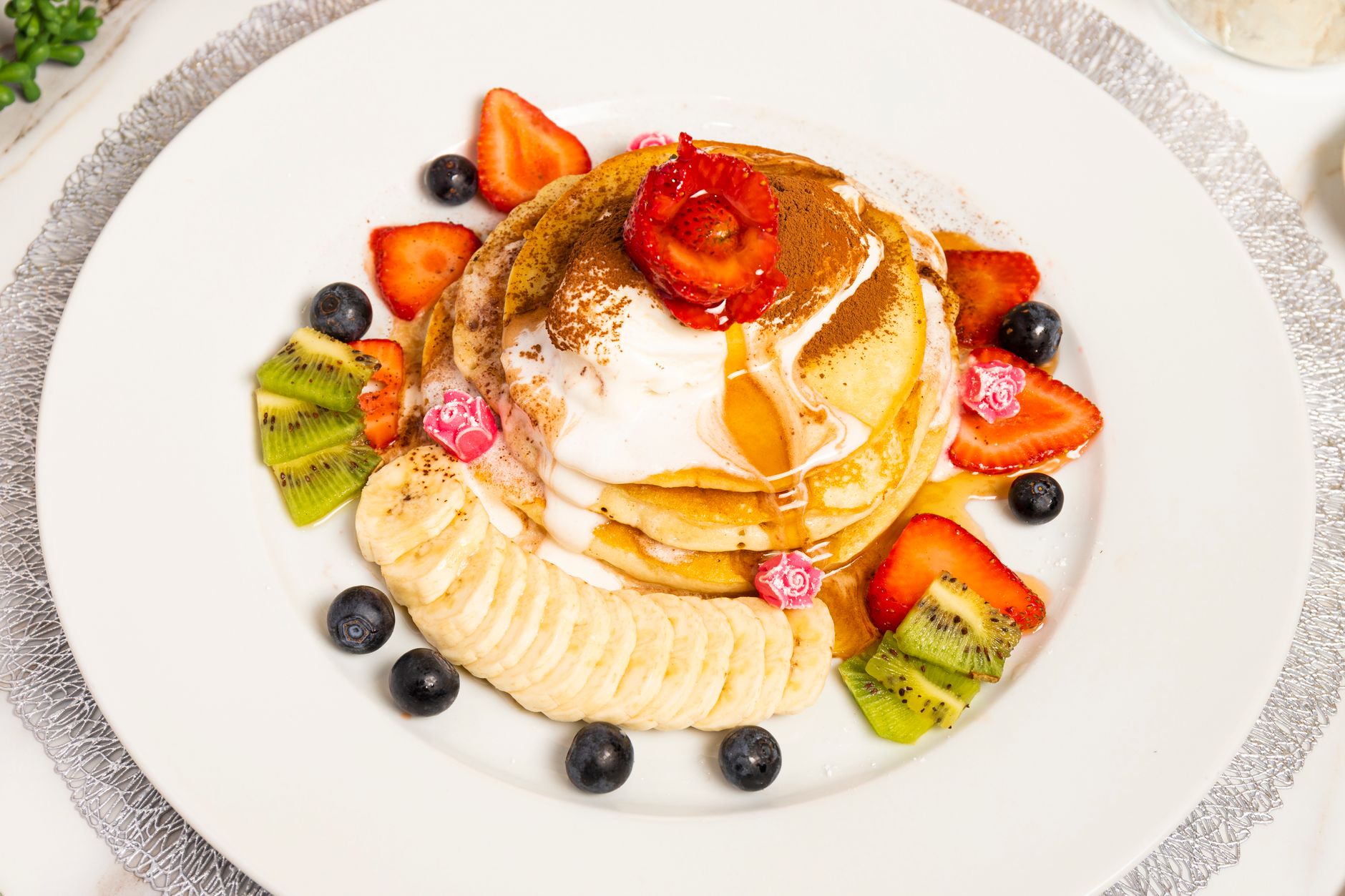
Fluffy Banana & Cinnamon Protein Pancakes
Fluffy Banana & Cinnamon Protein Pancakes is a dietician-designed breakfast built around medium ripe banana, large eggs and reduced-fat cottage cheese. It's made for GLP-1 medication users managing fatigue, with protein kept high and portions sized for a smaller appetite.
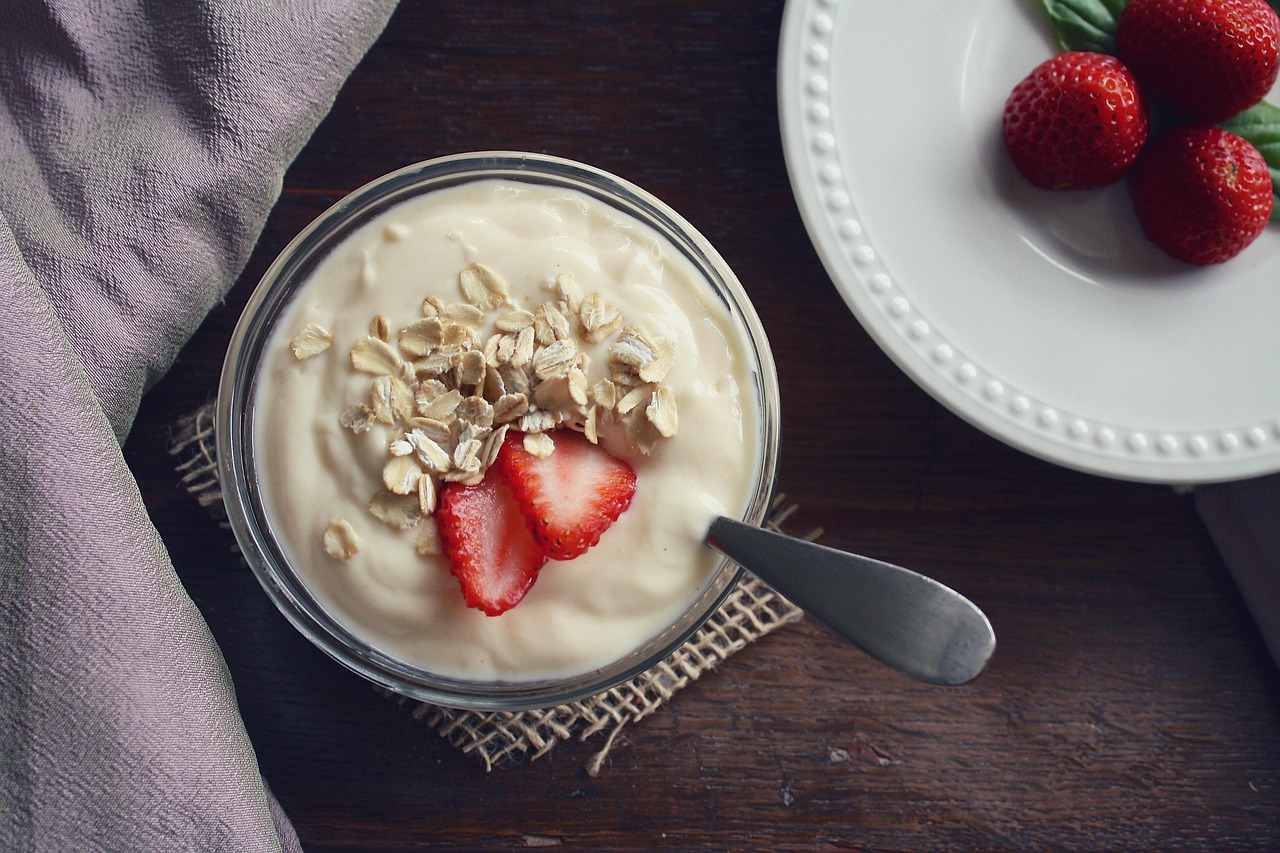
Strawberry Cheesecake Overnight Oats
Strawberry Cheesecake Overnight Oats is a dietician-designed breakfast built around rolled oats, reduced-fat Greek yoghurt and light cottage cheese. It's made for GLP-1 medication users managing nausea, with protein kept high and portions sized for a smaller appetite.
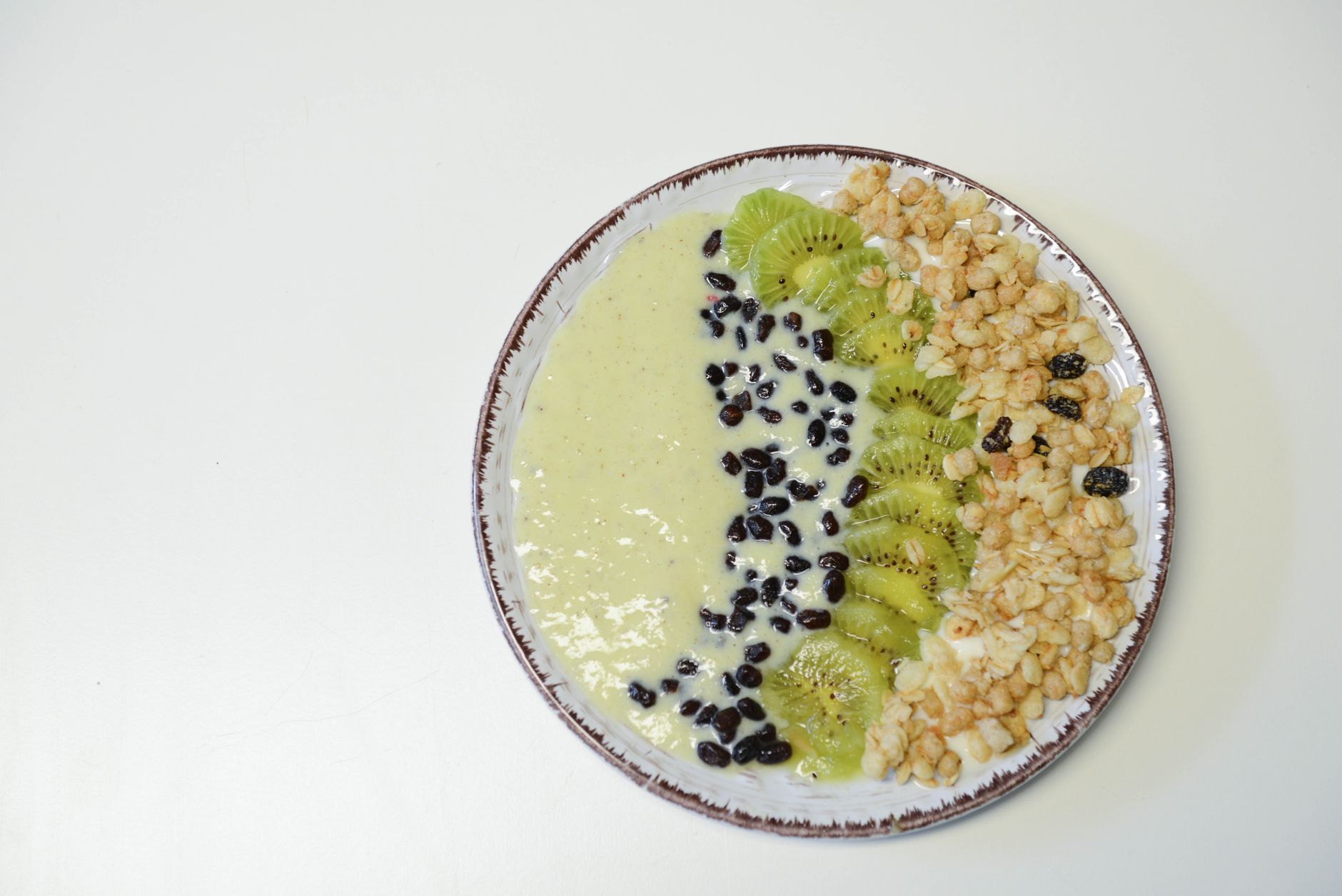
Kiwi & Vanilla Overnight Oats
Kiwi & Vanilla Overnight Oats is a dietician-designed breakfast built around rolled oats, Greek yoghurt and high-protein milk. It's made for GLP-1 medication users managing constipation, with protein kept high and portions sized for a smaller appetite.
Lunches
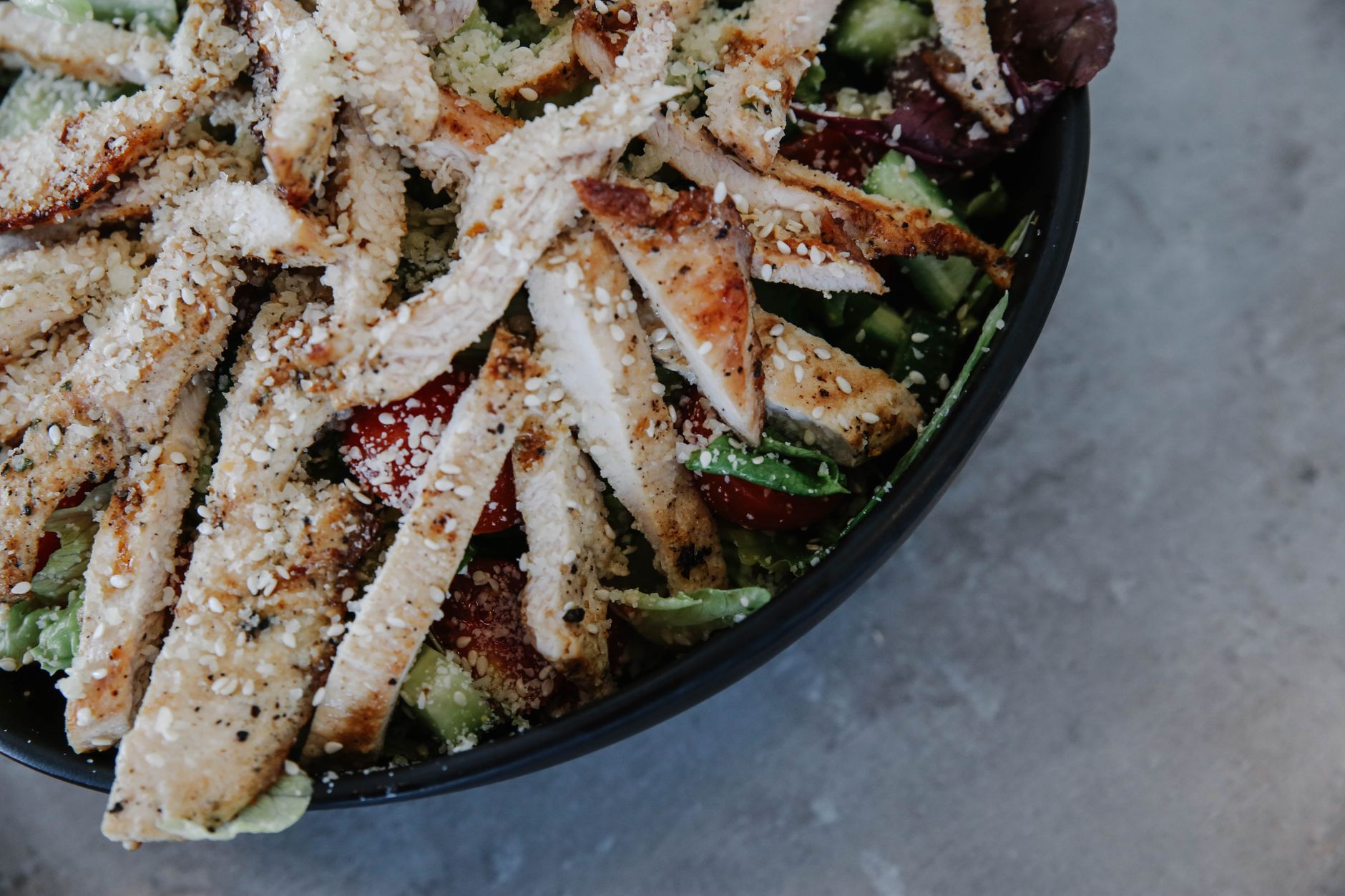
Greek Chicken Orzo Salad
Greek Chicken Orzo Salad is a dietician-designed lunch built around grilled chicken breast, cooked wholemeal orzo and cucumber. It's made for GLP-1 medication users managing fatigue, with protein kept high and portions sized for a smaller appetite.
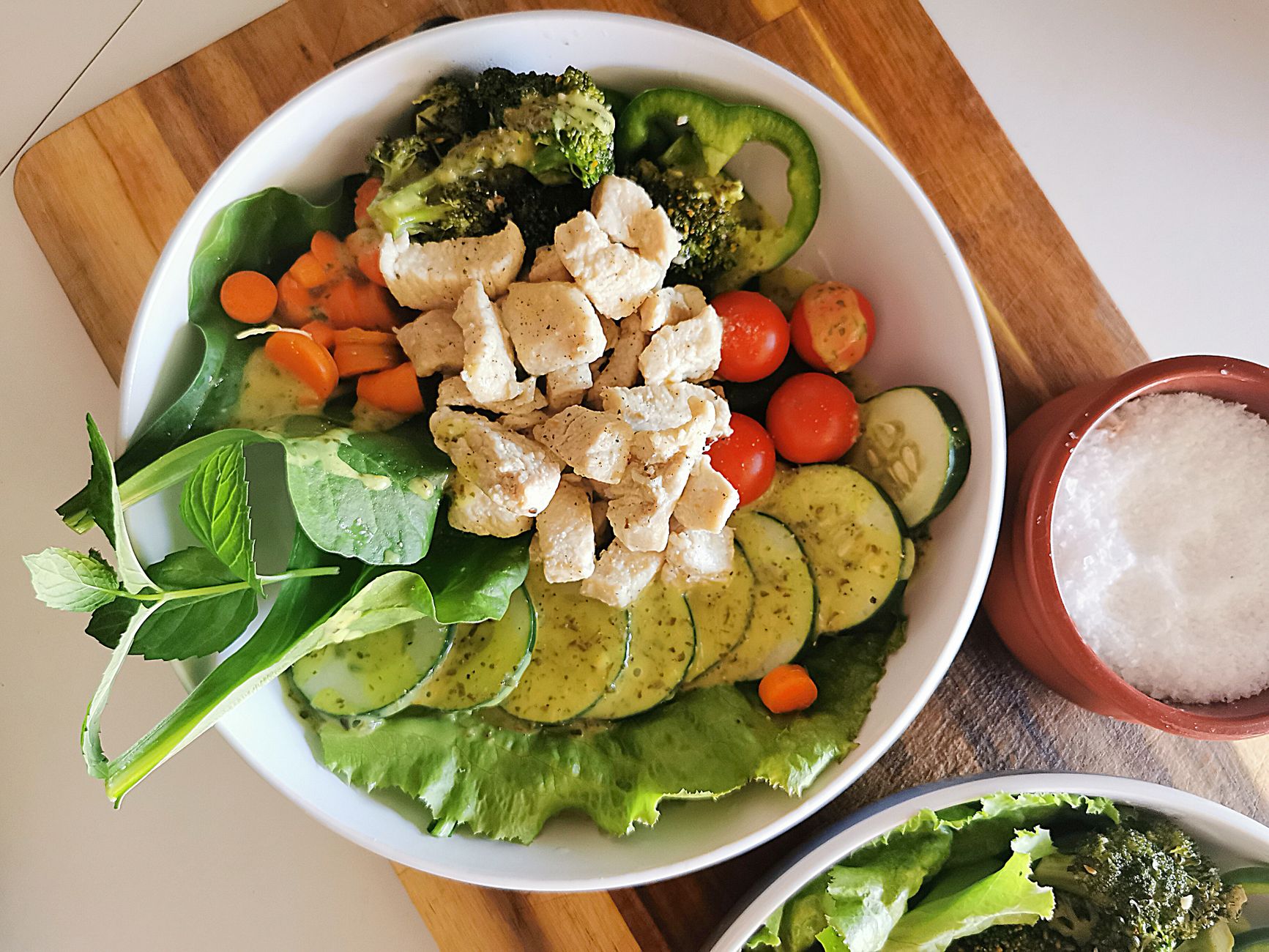
Pesto Chicken & Roasted Vegetable Bowl
Pesto Chicken & Roasted Vegetable Bowl is a dietician-designed lunch built around grilled chicken breast, roasted zucchini and roasted capsicum. It's made for GLP-1 medication users managing fatigue, with protein kept high and portions sized for a smaller appetite.
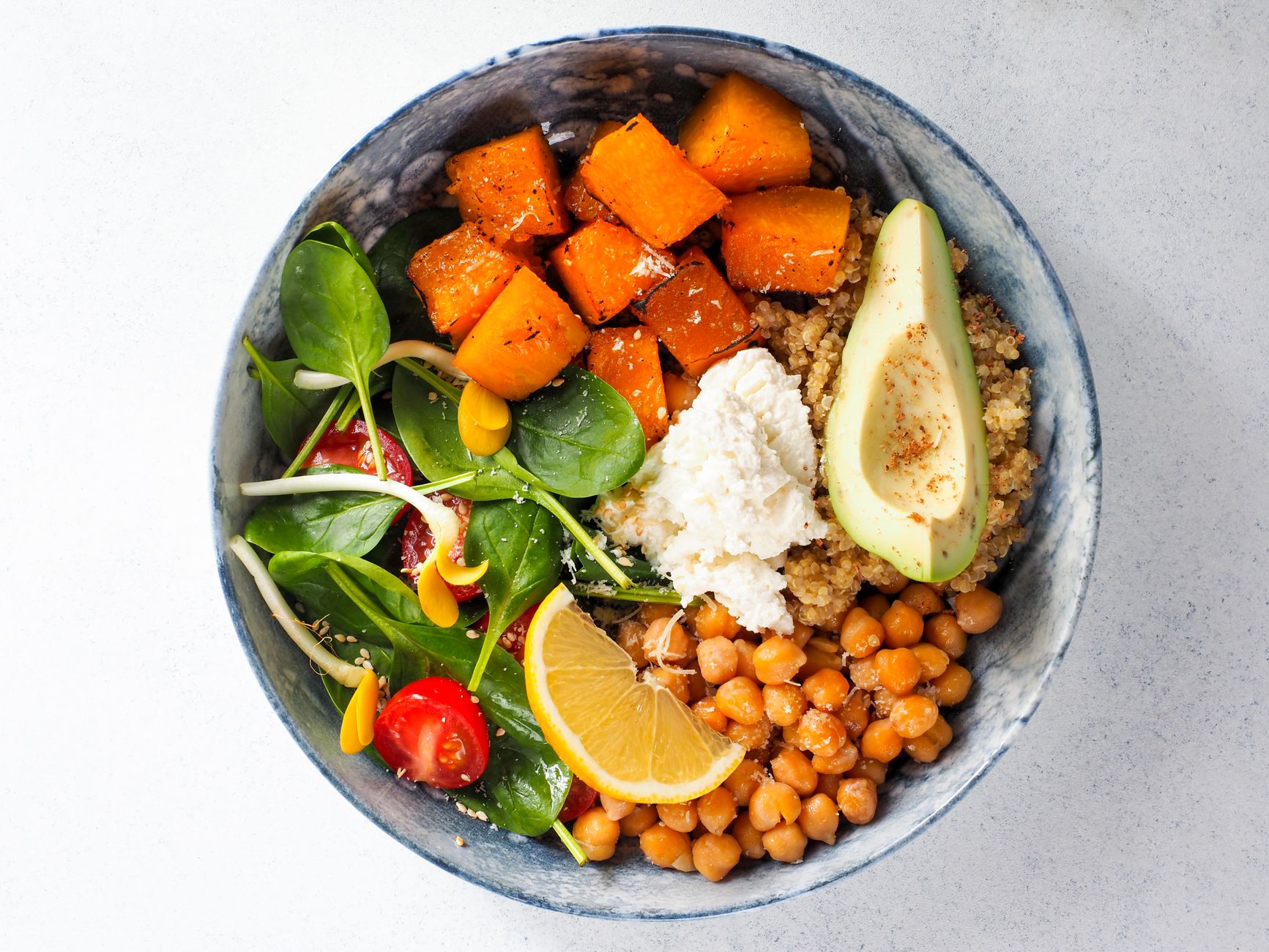
Lemon Chicken & Pumpkin Quinoa Bowl
Lemon Chicken & Pumpkin Quinoa Bowl is a dietician-designed lunch built around grilled chicken breast, cooked quinoa and roasted pumpkin. It's made for GLP-1 medication users managing fatigue, with protein kept high and portions sized for a smaller appetite.
Dinners
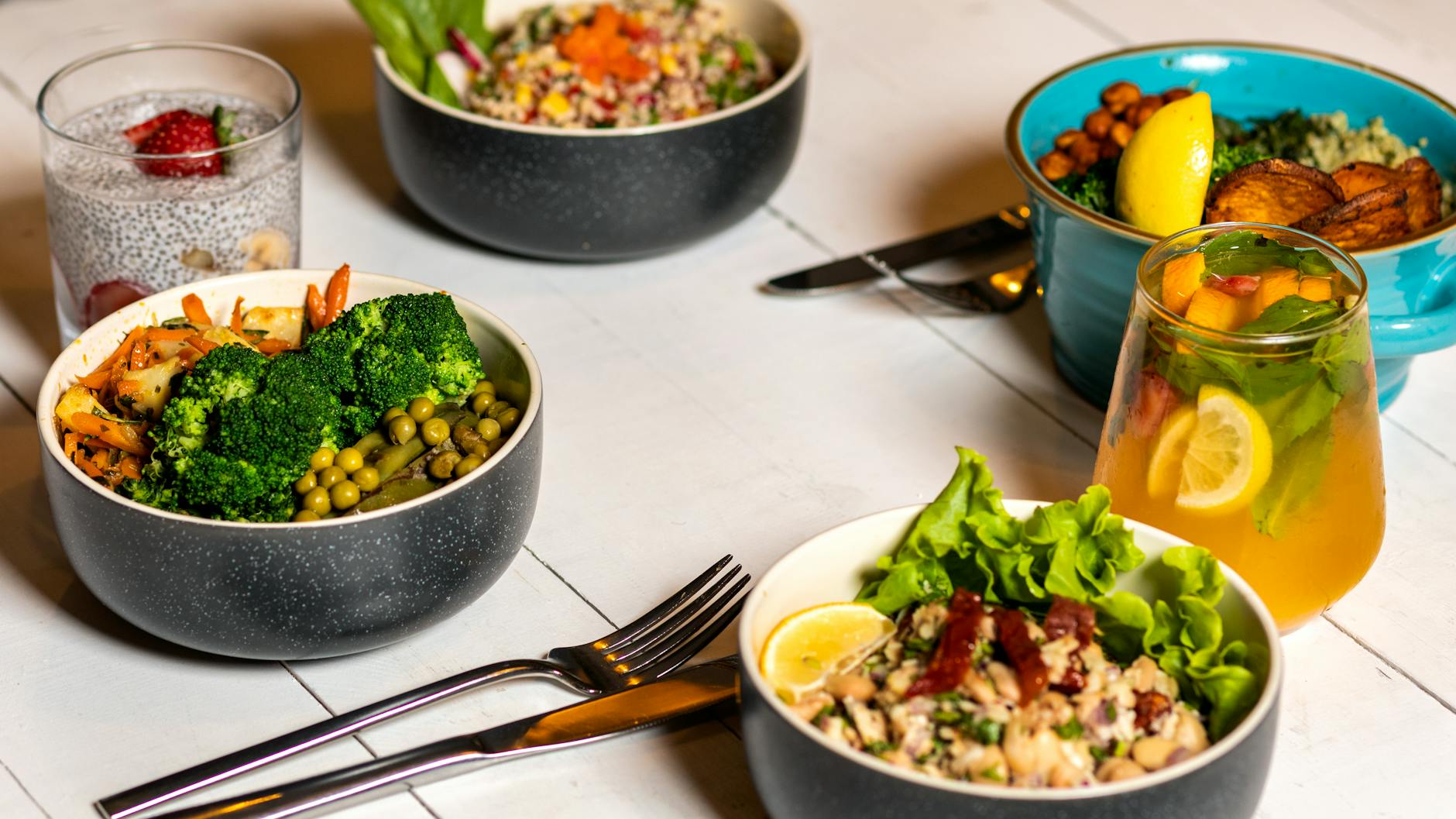
One-Pan Lemon Chicken Quinoa Bowl
This one-pan lemon chicken quinoa bowl is designed for GLP-1 users who need steady energy with minimal effort. It combines gentle lean protein, slow-release carbohydrates, and iron-rich greens in a small, easy-to-digest portion to support steady energy when appetite is low.
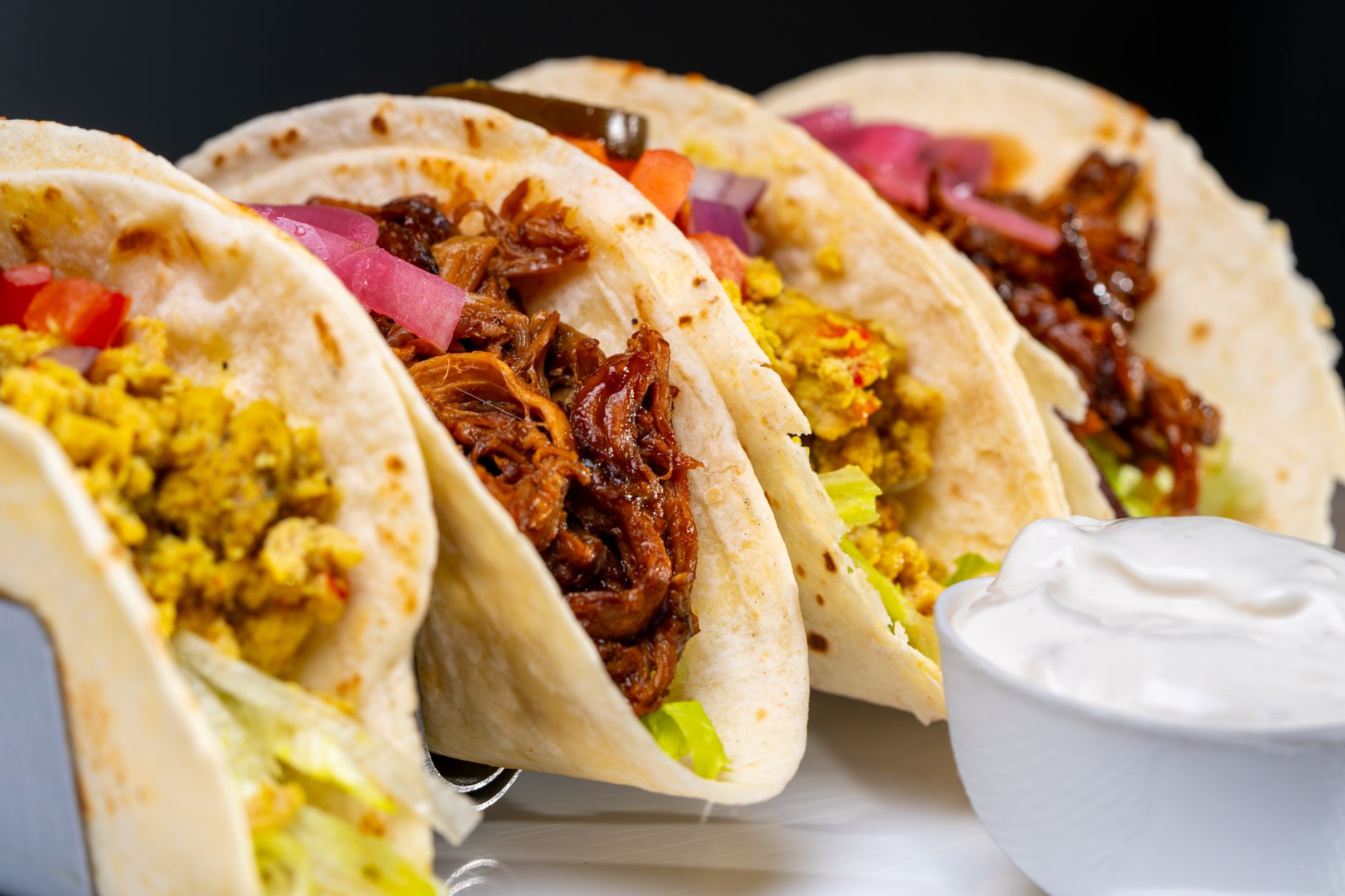
Soft Beef Tacos
Soft Beef Tacos repurpose Night 4's leftover beef mince into warm, soft tortillas with the same cool toppings, gently reheated rather than cooked from scratch. It's designed for GLP-1 medication users managing fatigue, with small portions and a soft texture that's easy to prepare and eat.
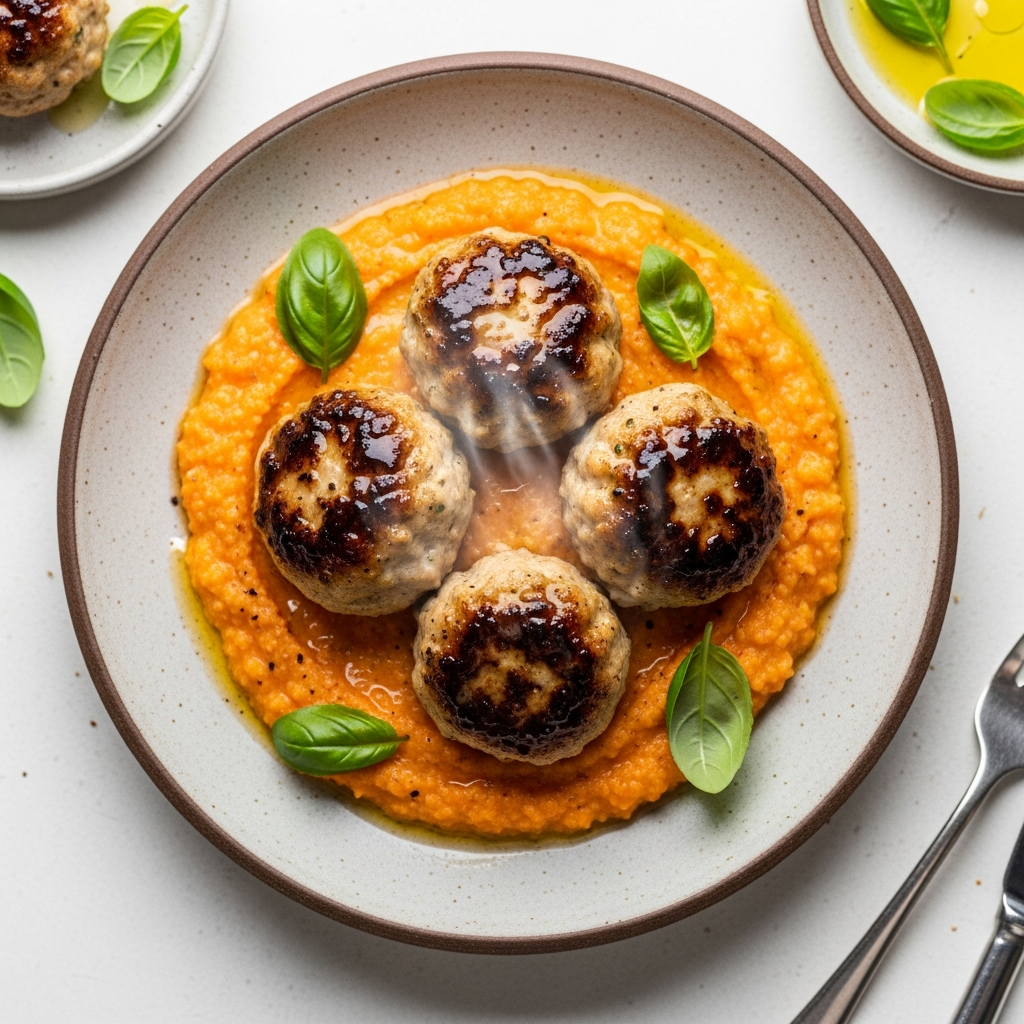
Turkey Meatballs with Tomato Basil Polenta
Turkey Meatballs with Tomato Basil Polenta is a dietician-designed dinner built around lean turkey mince, gluten-free breadcrumbs and egg. It's made for GLP-1 medication users managing fatigue, with protein kept high and portions sized for a smaller appetite.
Snacks
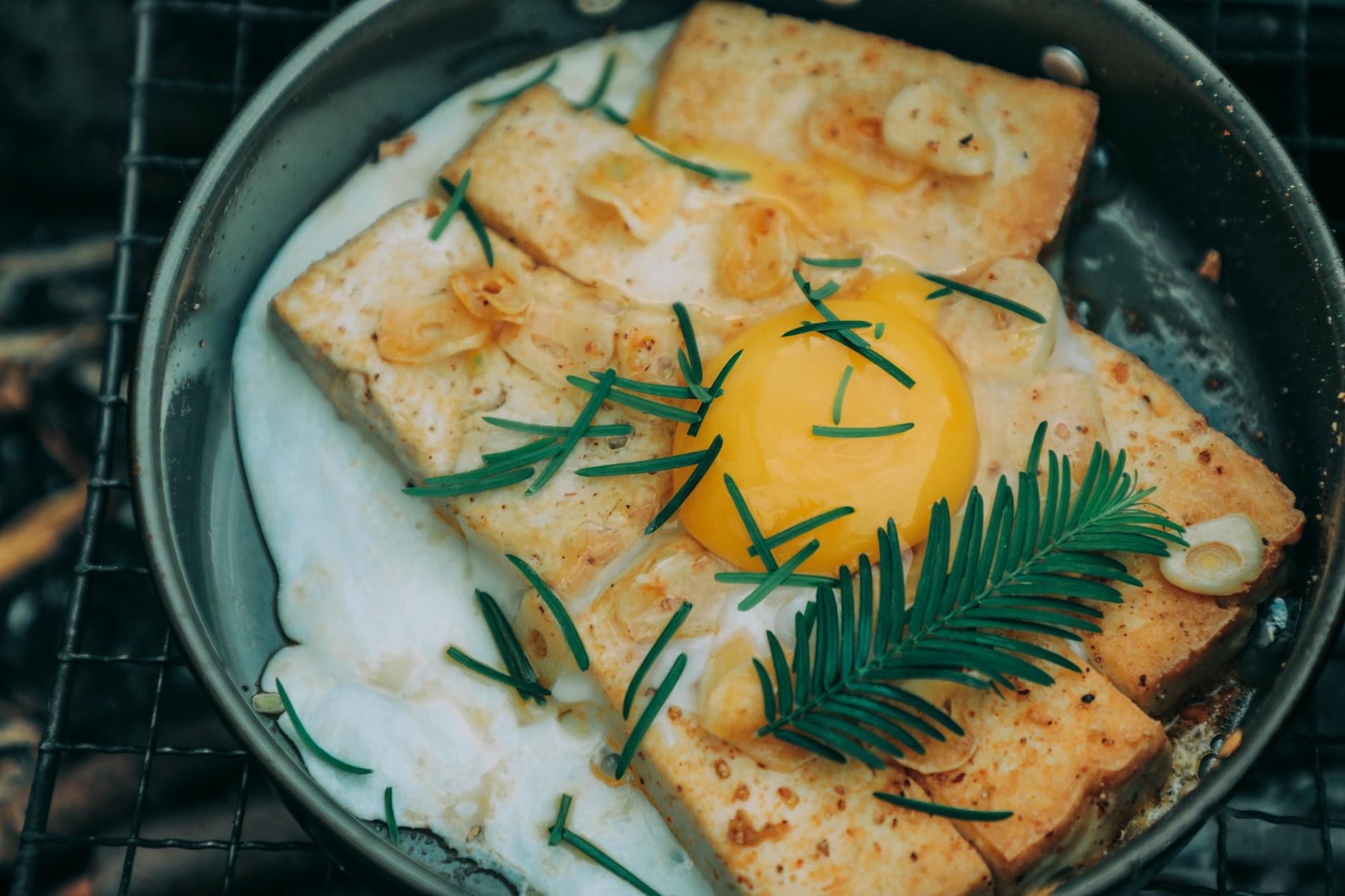
Savory Ricotta Egg Protein Squares
These soft, savory ricotta egg protein squares are mild in flavor and easy to nibble, ideal when GLP-1 medications blunt your appetite. Each small piece is nutrient-dense and high in protein, so even a few bites help support muscle mass and energy without feeling heavy.

Warm Ginger Egg Custard Cups
A smooth, warm egg custard that’s gentle on a GLP-1–slowed stomach, using low-fat milk and minimal fiber to reduce bloating and gas. The mild ginger adds light digestive support without strong smells or heavy seasoning, making this an easy-to-tolerate, protein-rich snack when your appetite is low.
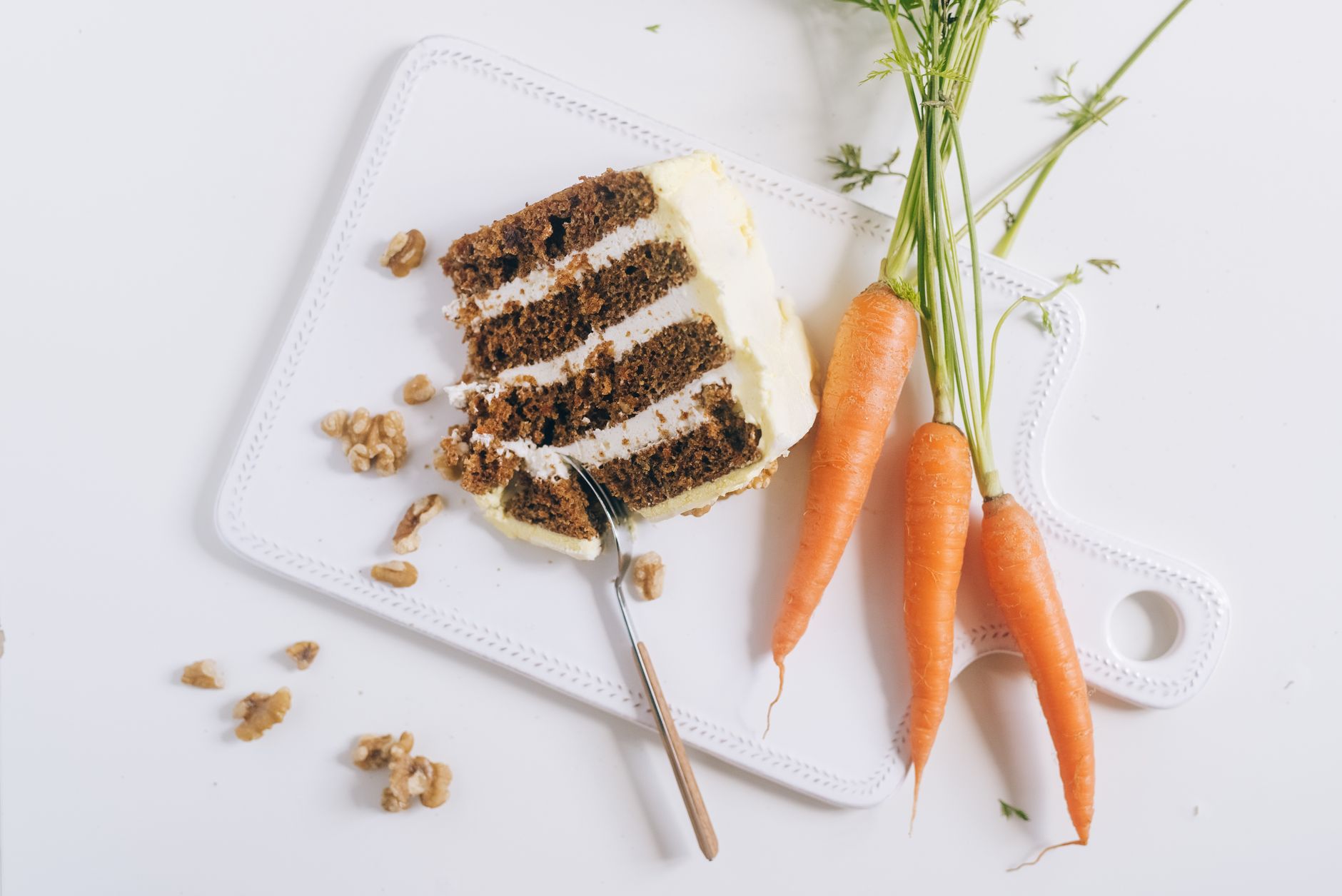
No-Bake Carrot Cake Protein Balls
No-Bake Carrot Cake Protein Balls is a dietician-designed snack built around rolled oats, vanilla whey protein isolate and medium carrot. It's made for GLP-1 medication users managing constipation, with protein kept high and portions sized for a smaller appetite.
More Zepbound and GLP-1 guides
Build a day of meals that suits you right now
Two quick questions and we’ll put together a day of meals from our recipe library.
See how the GLP-1 meal plan builder works
Step 1 of 3
Please pick one so we know where to start.
Step 2 of 3
Pescatarian plus excluding both fish and shellfish doesn't leave anything to build from — pick one or the other.
Step 3 of 3
We will use this to send your day
We'll email you this day as a PDF, plus a quick intro to Food Signals and our current offer.
Please enter a valid email address.
Food Signals
Your day of meals
Daily Reference Ranges
Dietitian's Note
A lot to work around.
We've built this day inside everything you told us. With this many things to avoid — and a smaller appetite on top — it's worth talking it through with a dietitian who can look at the whole picture with you, especially around protein.
Missing something you'd like to see? Tell us what you'd cook and we'll add recipes that fit.
Thanks — we've got it.
We've emailed an intro to Food Signals, an overview of what it does, and our current offer — with your plan attached as a PDF.
Save this day?
Food Signals is open by waiting list at the moment. Add your details and we'll write to you when your place is ready — then you get 14 days of the whole app, with no card needed.
We never share your email, and you can ask us to delete it any time. Read our privacy policy → Consumer Health Data Privacy Policy
You're on the waiting list
We'll email when your place is ready, and you get 14 days of the whole app, with no card needed.
We're keeping this plan for you.
You're in — welcome!
Taking you straight into the app…