GLP-1 Bloating Foods
Bloating is one of the most persistent GLP-1 side effects. These 26 recipes are built around lower-fibre ingredients and go easy on beans and other gas-forming vegetables, while keeping your protein intake on track. Some people find meals like these easier to tolerate when bloated.
Why GLP-1 medications cause bloating
Bloating on GLP-1 receptor agonists like semaglutide (Ozempic, Wegovy) and tirzepatide (Mounjaro, Zepbound) is caused by a combination of mechanisms that all stem from slowed gut motility:
- Delayed gastric emptying: Food stays in the stomach 2–4x longer than normal. This prolonged presence causes distension and the sensation of fullness and bloating, even from small meals.
- Increased fermentation time: When food moves more slowly through the intestines, gut bacteria have more time to ferment carbohydrates — especially FODMAPs (fermentable oligosaccharides, disaccharides, monosaccharides, and polyols). This produces hydrogen, methane, and carbon dioxide gas.
- Altered gut microbiome: Emerging research suggests GLP-1 medications may shift the composition of gut bacteria. Changes in bacterial populations can increase gas production, particularly in the first weeks of treatment.
- Reduced intestinal motility: GLP-1 receptors exist throughout the gastrointestinal tract, not just the stomach. The medication slows movement across the entire digestive system, trapping gas that would normally pass quickly.
Bloating timeline on GLP-1
Bloating follows a predictable pattern for most people:
- Weeks 1–4: Bloating is often worst during the initial adjustment period. The gut is adapting to significantly slower transit times.
- Weeks 4–8: Bloating typically begins to improve as the gut microbiome adjusts and dietary habits change.
- After dose increases: Each dose increase can temporarily worsen bloating for 1–2 weeks before the body readjusts.
- Long-term: Most people find bloating becomes manageable after the first 2–3 months, especially with dietary modifications.
The low-FODMAP approach for GLP-1 bloating
The most effective dietary strategy for GLP-1 bloating borrows from the low-FODMAP approach used for IBS. The principle is simple: reduce the amount of fermentable carbohydrates reaching the large intestine, which reduces gas production.
You don't need a strict low-FODMAP diet — just reducing the highest-gas foods makes a significant difference:
| High-FODMAP (reduce or avoid) | Low-FODMAP alternative |
|---|---|
| Onions and garlic (raw) | Garlic-infused olive oil, chives, ginger |
| Wheat bread (large portions) | Sourdough (1 slice) or white rice |
| Apples and pears | Bananas, blueberries, strawberries |
| Kidney beans, chickpeas (large portions) | Firm tofu, edamame (small portions) |
| Raw broccoli and cauliflower | Cooked courgette, steamed carrots, cucumber |
| Milk (lactose) | Lactose-free milk, hard cheese, 0% Greek yogurt |
| Honey and agave | Maple syrup (small amounts), sugar |
| Carbonated water | Still water with lemon or cucumber |
Other bloating management strategies
- Eat slowly: Rapid eating introduces excess air into the stomach (aerophagia). Chew thoroughly and take at least 20 minutes per meal.
- Small, frequent meals: 5–6 small meals cause less stomach distension than 2–3 larger ones.
- Peppermint tea: peppermint tea is something some people find pleasant and easy to tolerate between meals. Many people sip it between meals rather than during them.
- Ginger: a food some people include on bloated days; some find it easier to tolerate. Grate into hot water or add to meals.
- Walk after eating: A 10–15 minute gentle walk after meals helps stimulate intestinal motility and move trapped gas.
- Avoid chewing gum and straws: Both introduce air into the digestive tract.
- Cook vegetables thoroughly: Cooking breaks down cell walls and reduces fermentable fibre. Steamed or boiled vegetables produce significantly less gas than raw ones.
When to talk to your doctor about bloating
Mild to moderate bloating is normal on GLP-1, but seek medical advice if you experience: severe abdominal pain (not just discomfort), bloating that gets progressively worse over weeks rather than improving, bloating accompanied by vomiting or inability to pass gas, or significant changes in bowel habits (persistent diarrhoea or constipation alongside bloating).
Lower-fiber recipes
Lower-fibre dishes that go easy on beans and other gas-forming vegetables. Tolerance varies by person, portion and symptom.
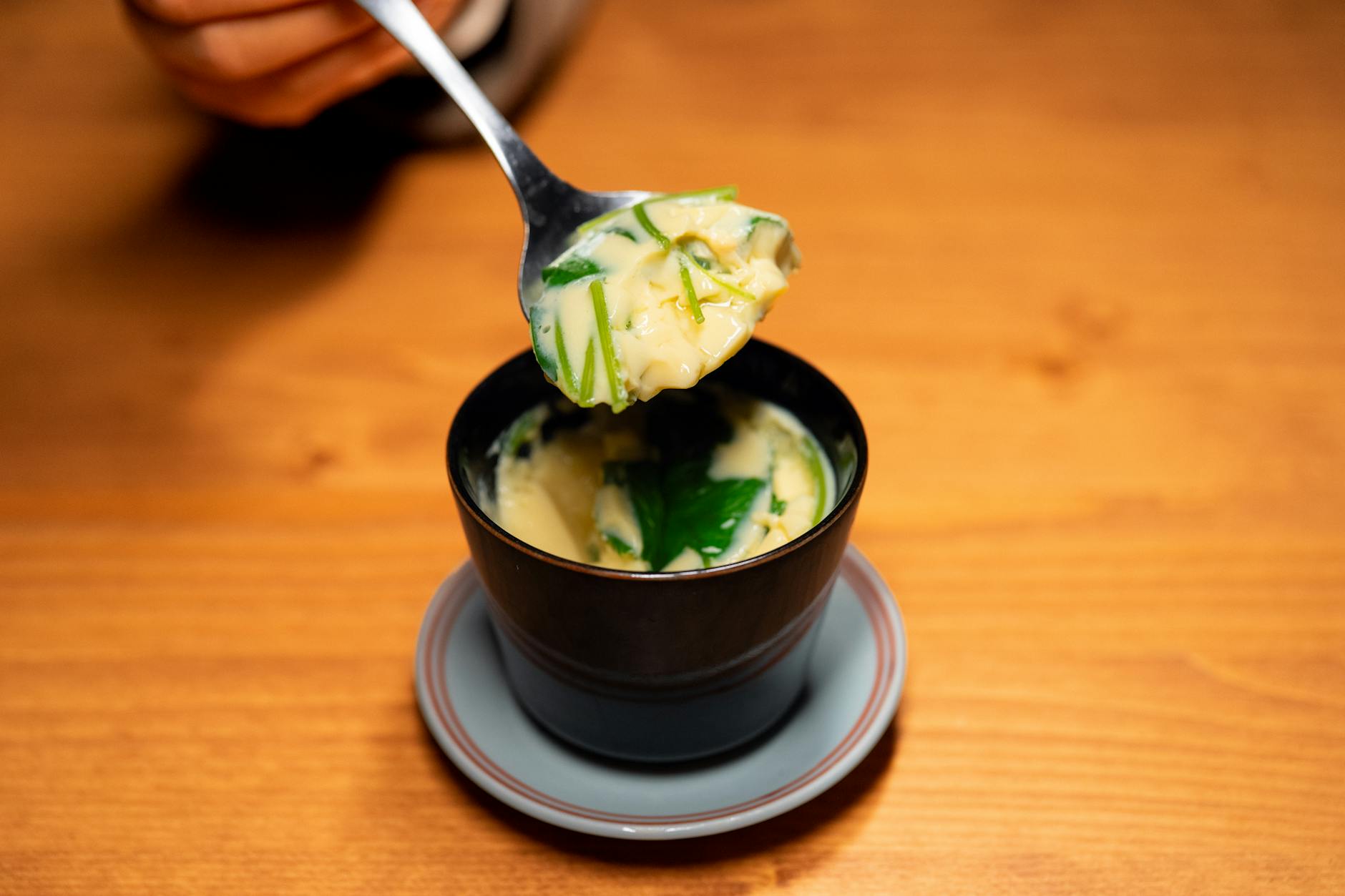
Warm Lemon-Ginger Egg White Custard Bowl
This warm, silky egg white custard is designed for GLP-1 users who need a gentle, low-fat, low-fiber breakfast that won’t overload a slower stomach. Lightly flavored with lemon and ginger, it’s easy to digest, high in protein, and helps minimize bloating and gas while still providing steady morning nutrition.
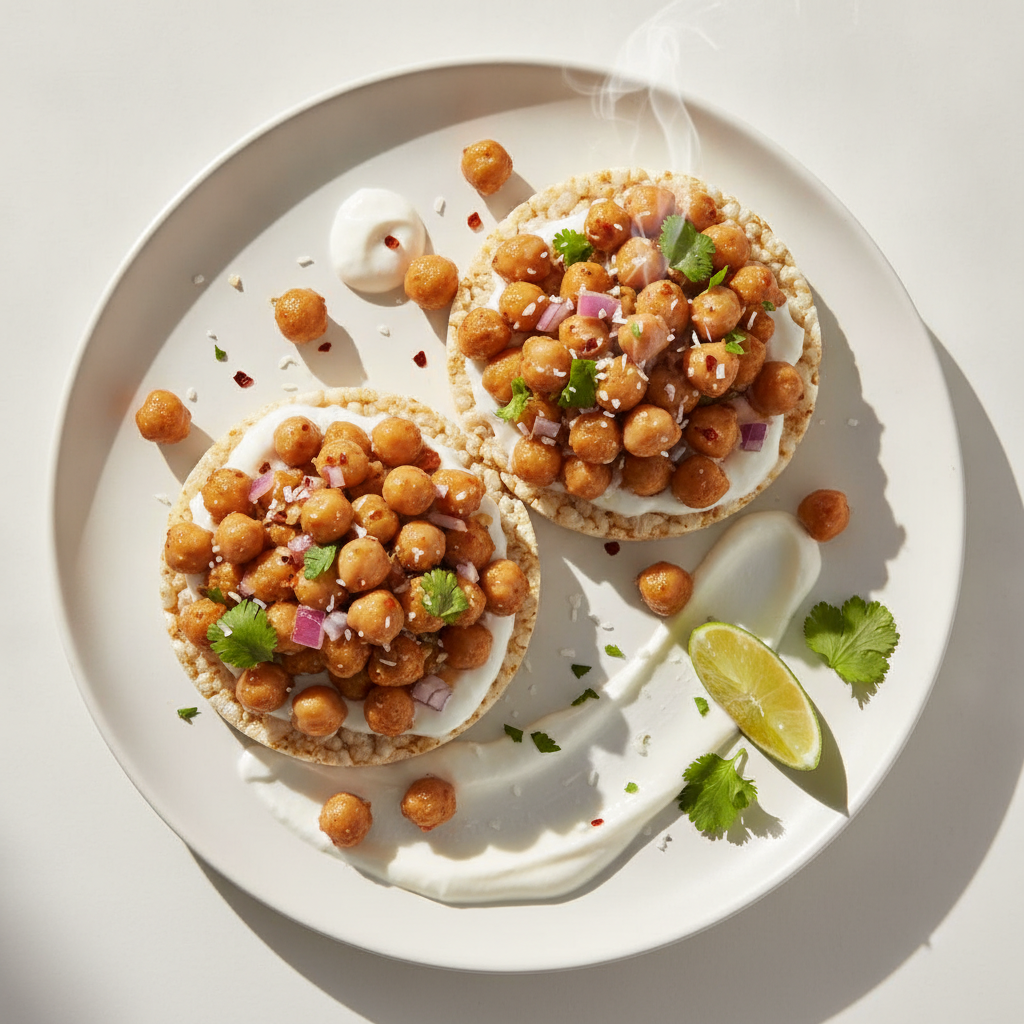
Chickpea Smash on Rice Cake with Coconut-Yoghurt Spread
A light, vegan snack designed for people on GLP-1 medications, this chickpea smash on gluten-free rice cakes is low in fat and fibre while still offering plant protein. The smooth coconut yoghurt spread and gentle seasoning help keep it easy to digest and comfortable for a bloated stomach.
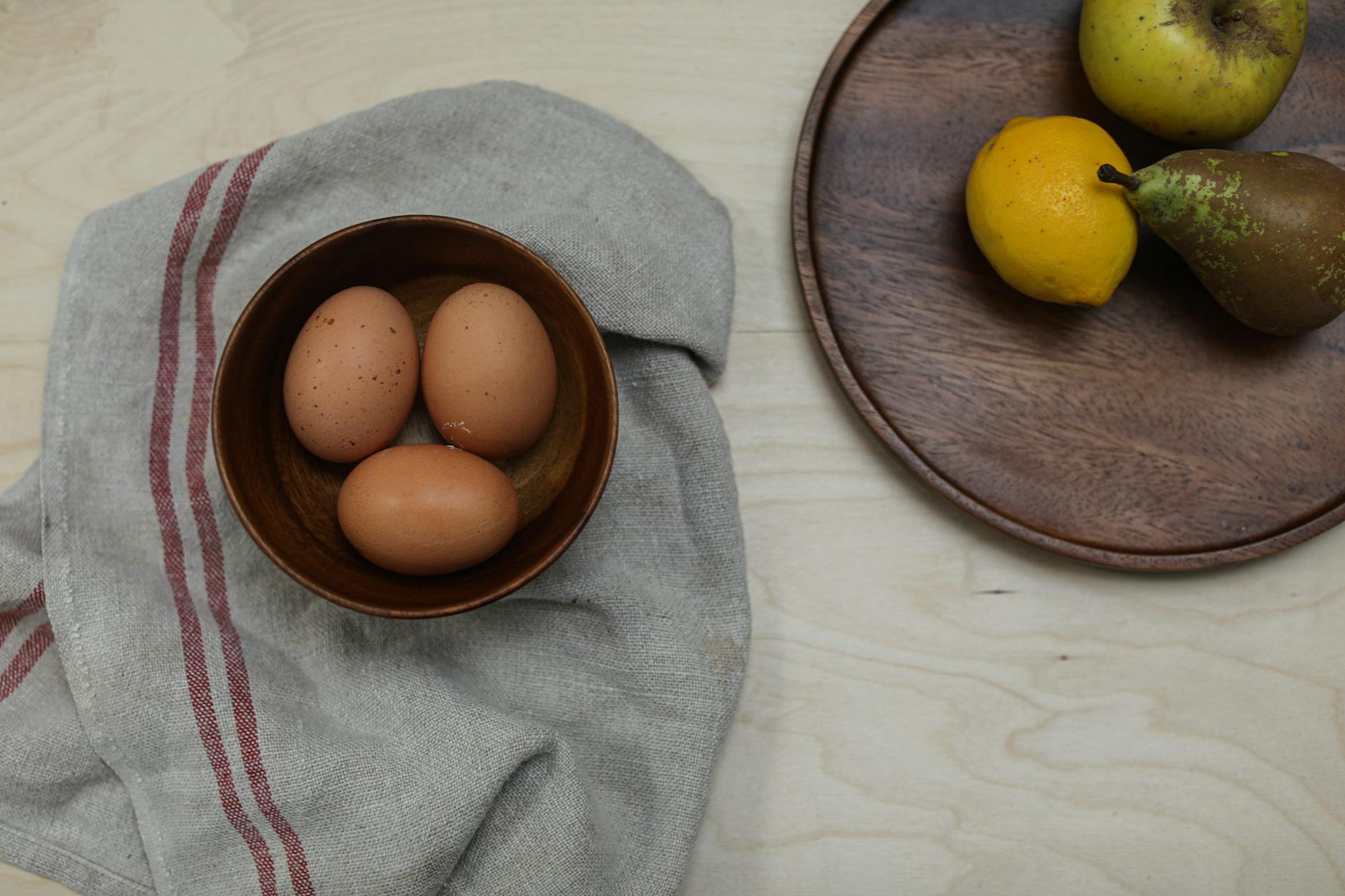
Warm Lemon Ginger Egg Custard Bowl
This warm, silky egg custard breakfast is gentle on a GLP-1–slowed stomach, using low-fat dairy and eggs for easy-to-digest protein. Mild ginger and lemon help reduce bloating and gas while providing a mild, low-fiber start to the day.
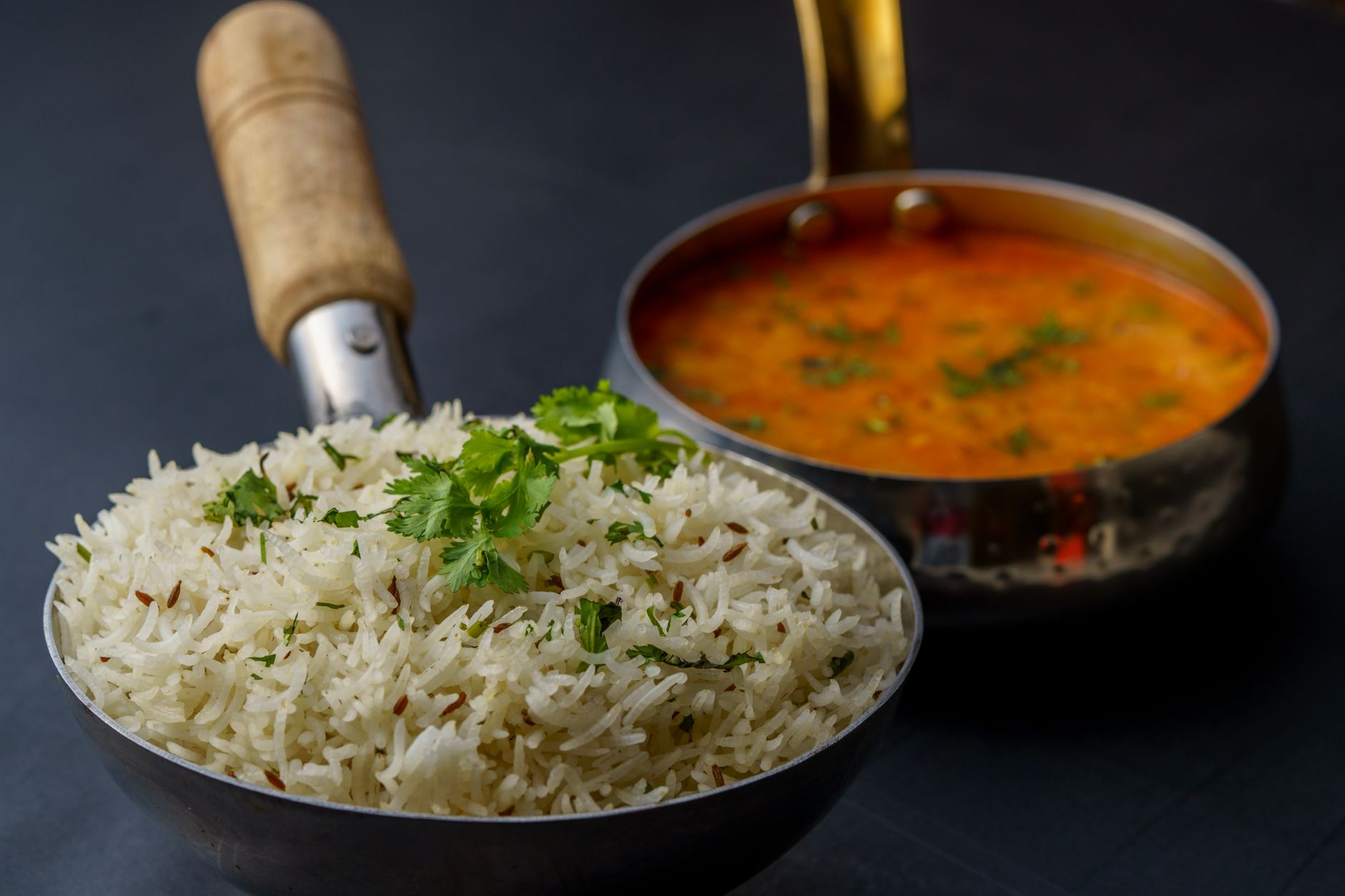
Coconut-Lentil Dal over Rice
A quick, gentle coconut-lentil dal served over basmati rice, designed for people on GLP-1 medications who struggle with bloating. Red lentils, mild spices, and low-FODMAP ingredients make this small, protein-rich lunch easier to digest while avoiding heavy fats and gas-forming foods.
Build a day of meals that suits you right now
Two quick questions and we’ll put together a day of meals from our recipe library.
See how the GLP-1 meal plan builder works
Step 1 of 3
Please pick one so we know where to start.
Step 2 of 3
Pescatarian plus excluding both fish and shellfish doesn't leave anything to build from — pick one or the other.
Step 3 of 3
We will use this to send your day
We'll email you this day as a PDF, plus a quick intro to Food Signals and our current offer.
Please enter a valid email address.
Food Signals
Your day of meals
Daily Reference Ranges
Dietitian's Note
A lot to work around.
We've built this day inside everything you told us. With this many things to avoid — and a smaller appetite on top — it's worth talking it through with a dietitian who can look at the whole picture with you, especially around protein.
Missing something you'd like to see? Tell us what you'd cook and we'll add recipes that fit.
Thanks — we've got it.
We've emailed an intro to Food Signals, an overview of what it does, and our current offer — with your plan attached as a PDF.
Save this day?
Food Signals is open by waiting list at the moment. Add your details and we'll write to you when your place is ready — then you get 14 days of the whole app, with no card needed.
We never share your email, and you can ask us to delete it any time. Read our privacy policy → Consumer Health Data Privacy Policy
You're on the waiting list
We'll email when your place is ready, and you get 14 days of the whole app, with no card needed.
We're keeping this plan for you.
You're in — welcome!
Taking you straight into the app…
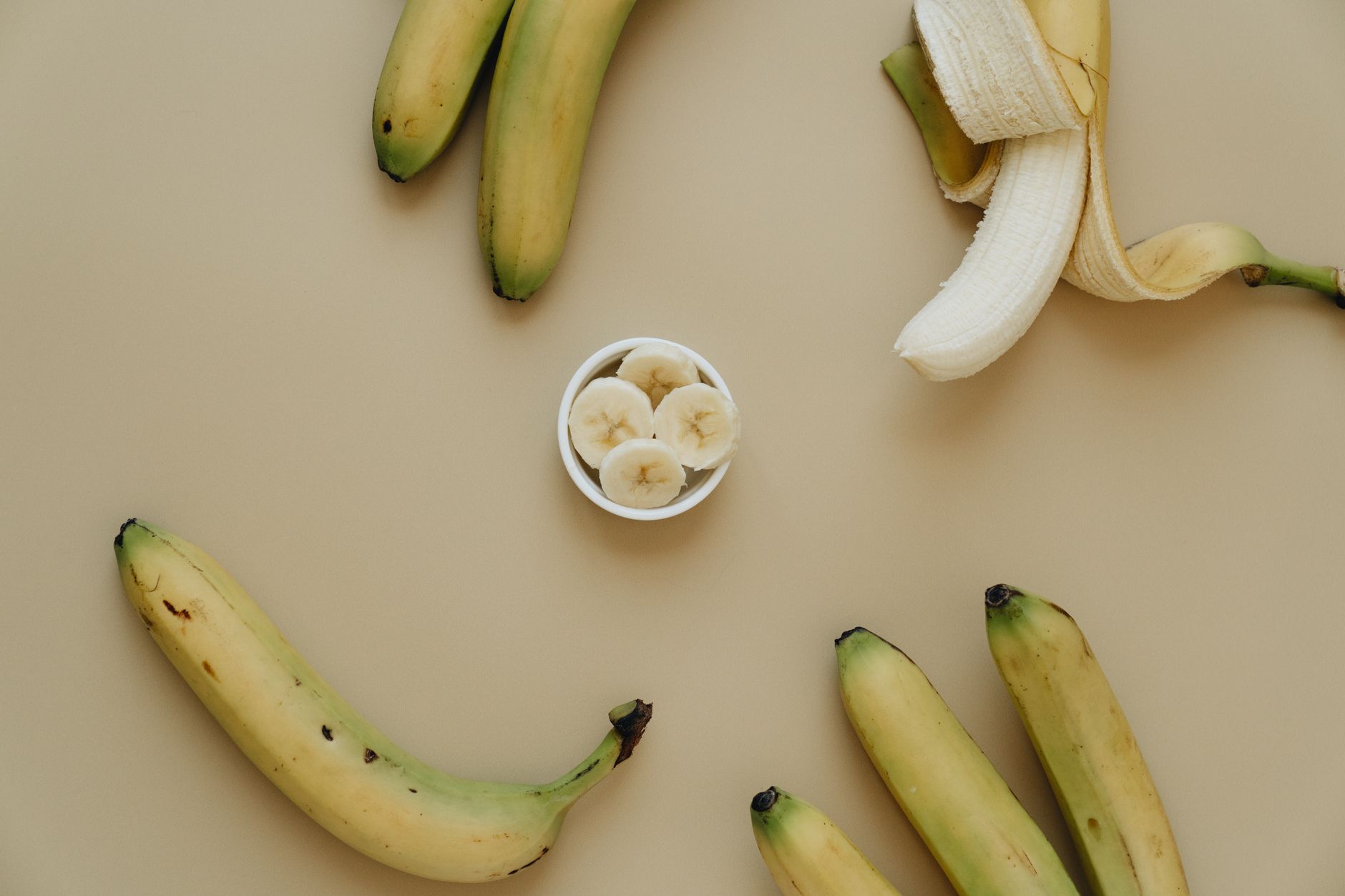
Gentle Ginger Banana Smoothie
This low-fiber, low-fat smoothie is designed for GLP-1 users who struggle with bloating, using easily digestible ingredients and calming ginger to reduce gas discomfort. The high-protein, small-portion blend supports nutrition when appetite is low while staying gentle on a slowed digestive system.

Low-FODMAP Vanilla Ginger Smoothie
This gentle, low-fiber, low-fat smoothie is designed for GLP-1 users who struggle with bloating and gas from slower gastric emptying. It uses low-FODMAP ingredients, light protein, and calming ginger to support easier digestion while still providing balanced nutrition in a small, easy-to-tolerate portion.
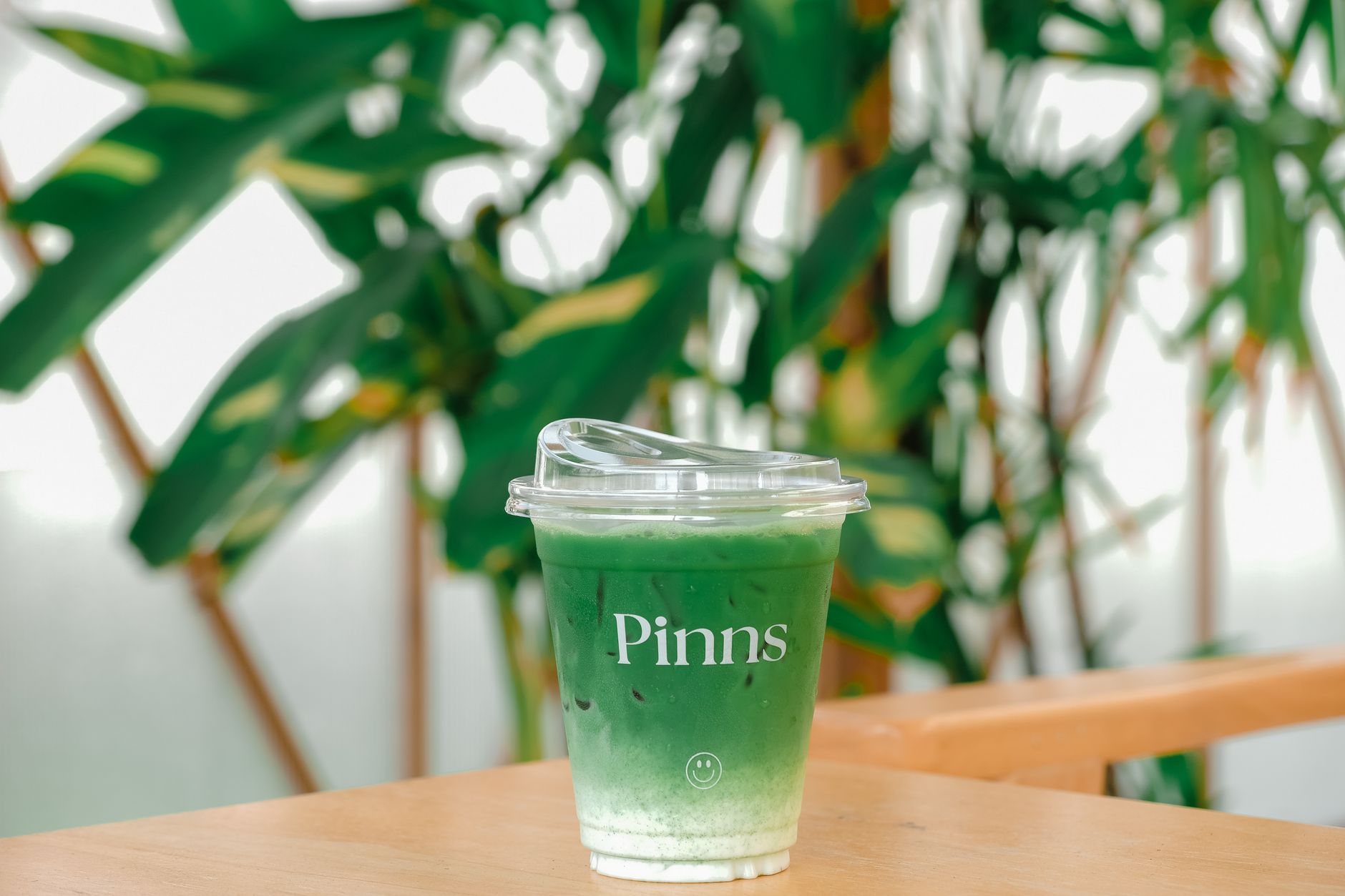
Matcha Banana Rice Protein Smoothie
This gentle matcha rice protein smoothie is designed for GLP-1 users dealing with bloating, using low-fat, low-fiber ingredients that are easy on a slower stomach. Lightly cooked brown rice adds a small amount of complex carbs without heaviness, while plant protein and lactose-free milk support nutrition when appetite is low.
Matcha Tofu Rice Protein Smoothie
This gentle matcha smoothie uses cooked brown rice and plant protein for a smooth, low-fat blend that’s easier to tolerate on GLP-1 medications. It’s designed to be low in fermentable fibre and gas-forming ingredients to help ease bloating while still providing balanced protein and slow-release carbs in a small portion.

Warm Ginger Egg Custard Cups
A smooth, warm egg custard that’s gentle on a GLP-1–slowed stomach, using low-fat milk and minimal fiber to reduce bloating and gas. The mild ginger adds light digestive support without strong smells or heavy seasoning, making this an easy-to-tolerate, protein-rich snack when your appetite is low.
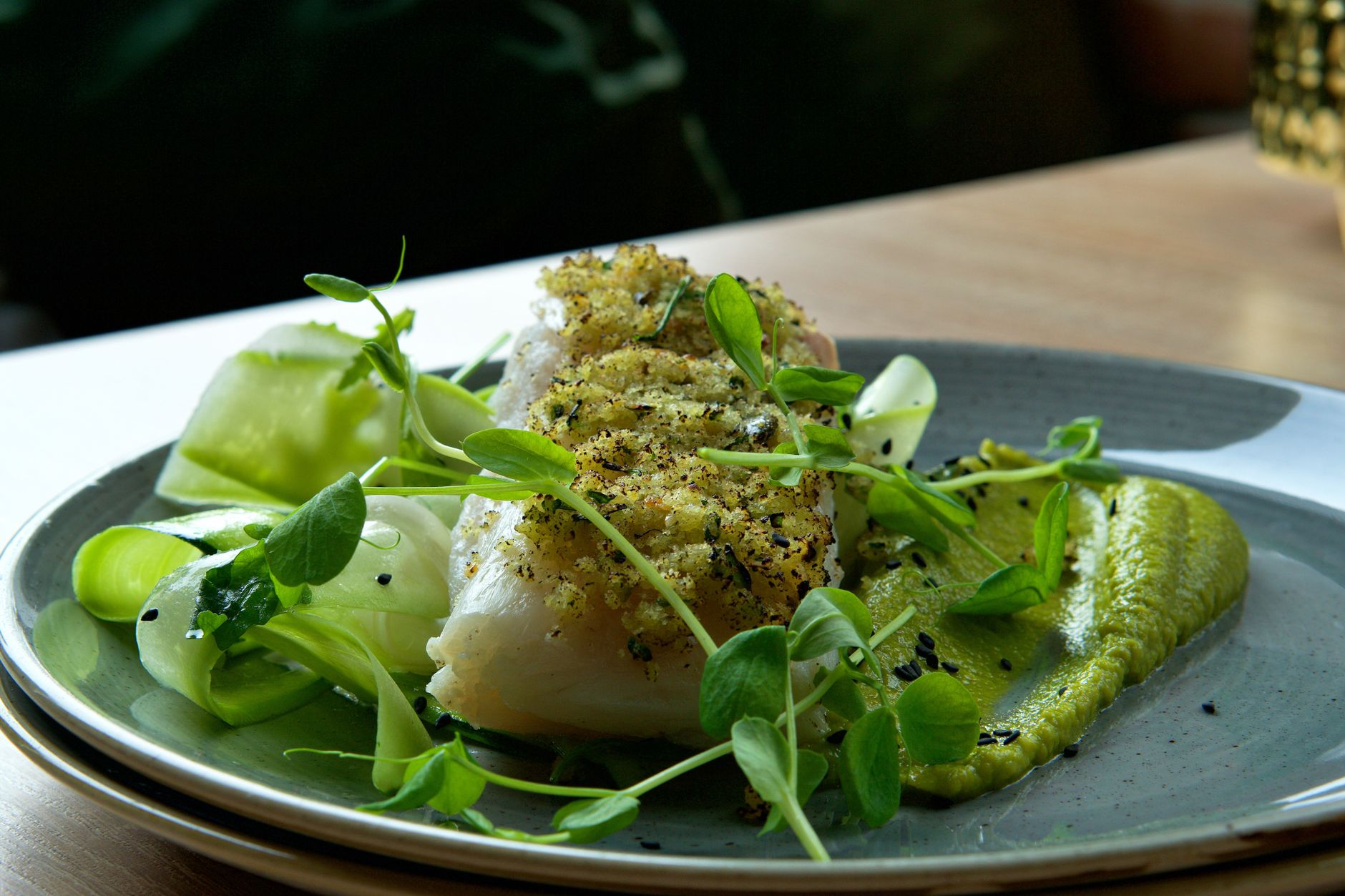
Herb Baked Cod with Soft Brown Rice and Zucchini
This gentle Mediterranean-style cod dinner is designed for GLP-1 users with bloating, using low-fat fish, soft-cooked brown rice, and tender zucchini to keep digestion easy. Mild herbs add flavor without heavy seasoning or gas-forming ingredients, while the high protein and small portion size support nutrition when appetite is low.

Coconut-Berry-Chia Sipper Smoothie
A gentle, low-FODMAP smoothie designed for people on GLP-1 medications who struggle with bloating. It uses light coconut milk, low-fiber fruits, and a small amount of chia for creaminess and mild gut support while keeping fat and fermentable fibers low to stay easy on digestion.
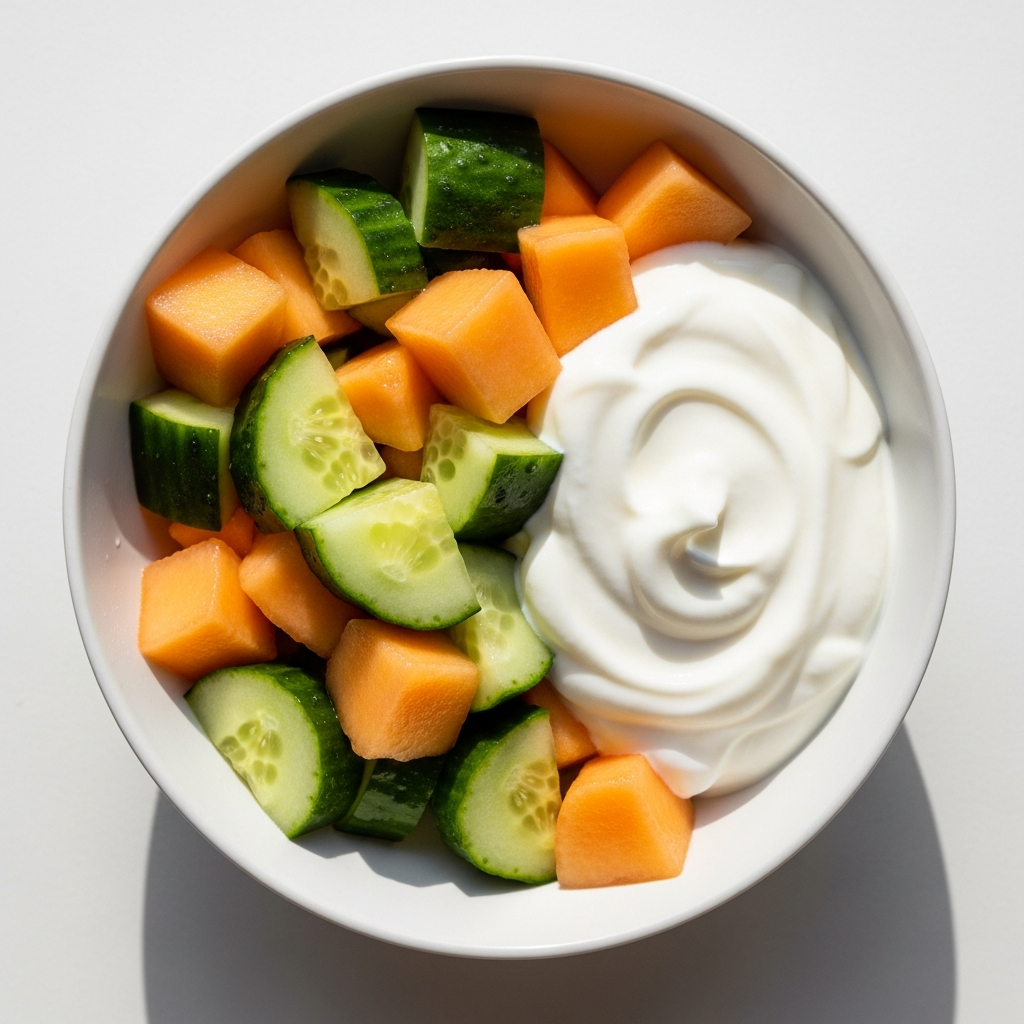
Cucumber-Melon Hydration Bowl with Greek Yogurt
This light, vegetarian lunch bowl is designed for GLP-1 users experiencing bloating, combining hydrating cucumber and melon with a small amount of gentle, lactose-free Greek-style yogurt. Soft quinoa and tofu add complete protein while keeping fibre and fat moderate, supporting easier digestion and less gas with slower gastric emptying.

Warm Cinnamon Matcha Tofu Toast Cups
These warm cinnamon matcha tofu toast cups are soft, lightly sweet, and low in fat and fiber to be gentle on a bloated GLP-1 stomach. Silken tofu and a bit of protein powder provide high-quality protein in a small portion, while white bread keeps the base easy to digest and less gas-forming than heavier grains.
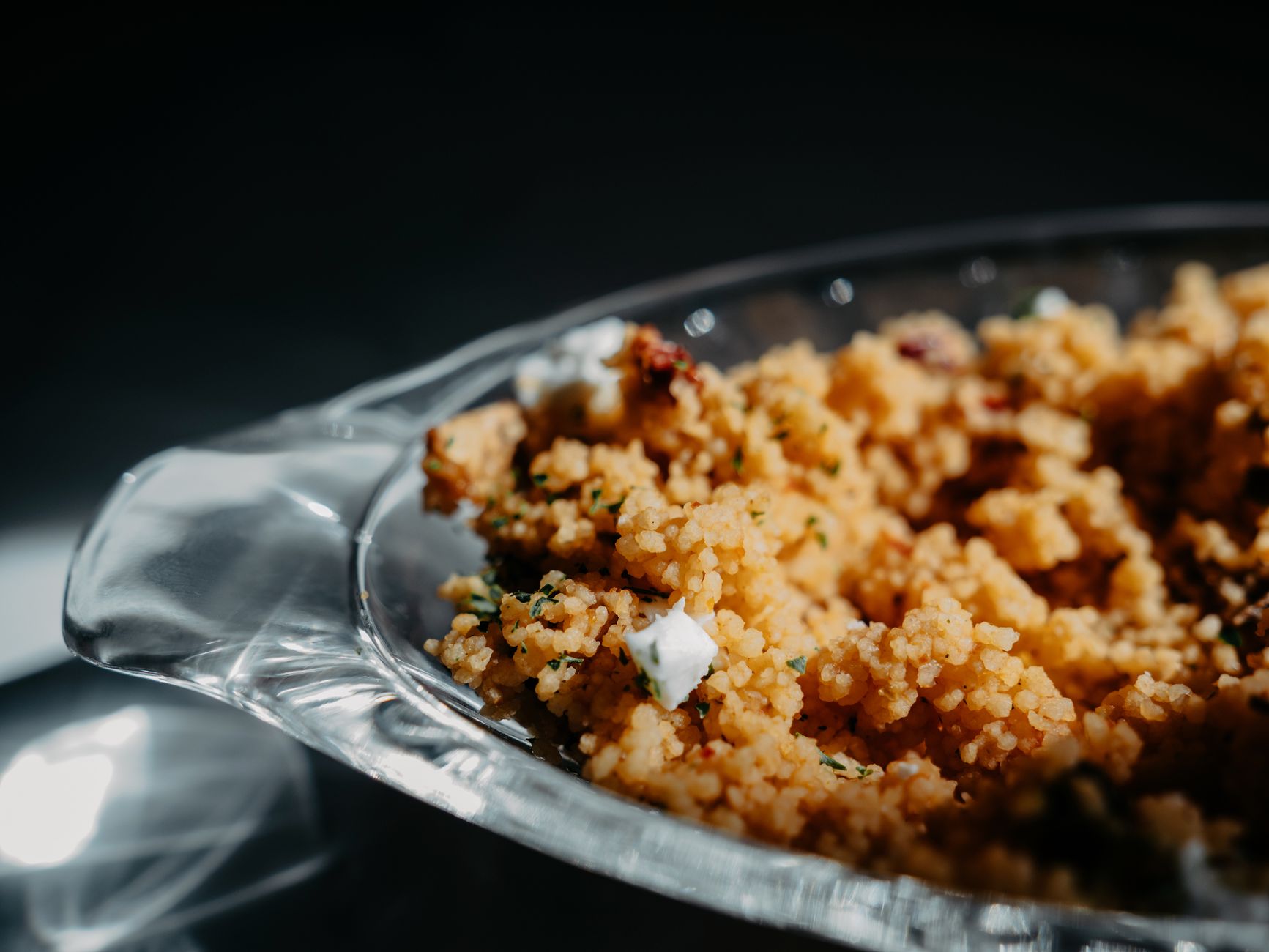
Herbed Tuna Couscous Bites
These soft, savory tuna couscous bites are designed for GLP-1 users with bloating, using low-fat fish protein and tender couscous for easy digestion. Gentle Mediterranean herbs add flavor without strong garlic or onion, helping you get satisfying protein in a small, bloat-friendly snack.

Savory Herb Tuna Couscous Cups with Cucumber
These gentle savory cups use soft couscous and lean tuna to create a light, protein-rich snack that’s easy to digest on GLP-1 medications. The low-fat, low-fiber combination helps reduce gas and bloating while still delivering satisfying protein in a small portion.

Savory Herb Tuna Couscous Bites
These soft, savory couscous bites use lean tuna and gentle herbs to create a light, low-fat snack that’s easier to digest for people on GLP-1 medications. The low-fiber couscous and simple flavors help minimize gas and bloating while still providing satisfying protein in a small portion.
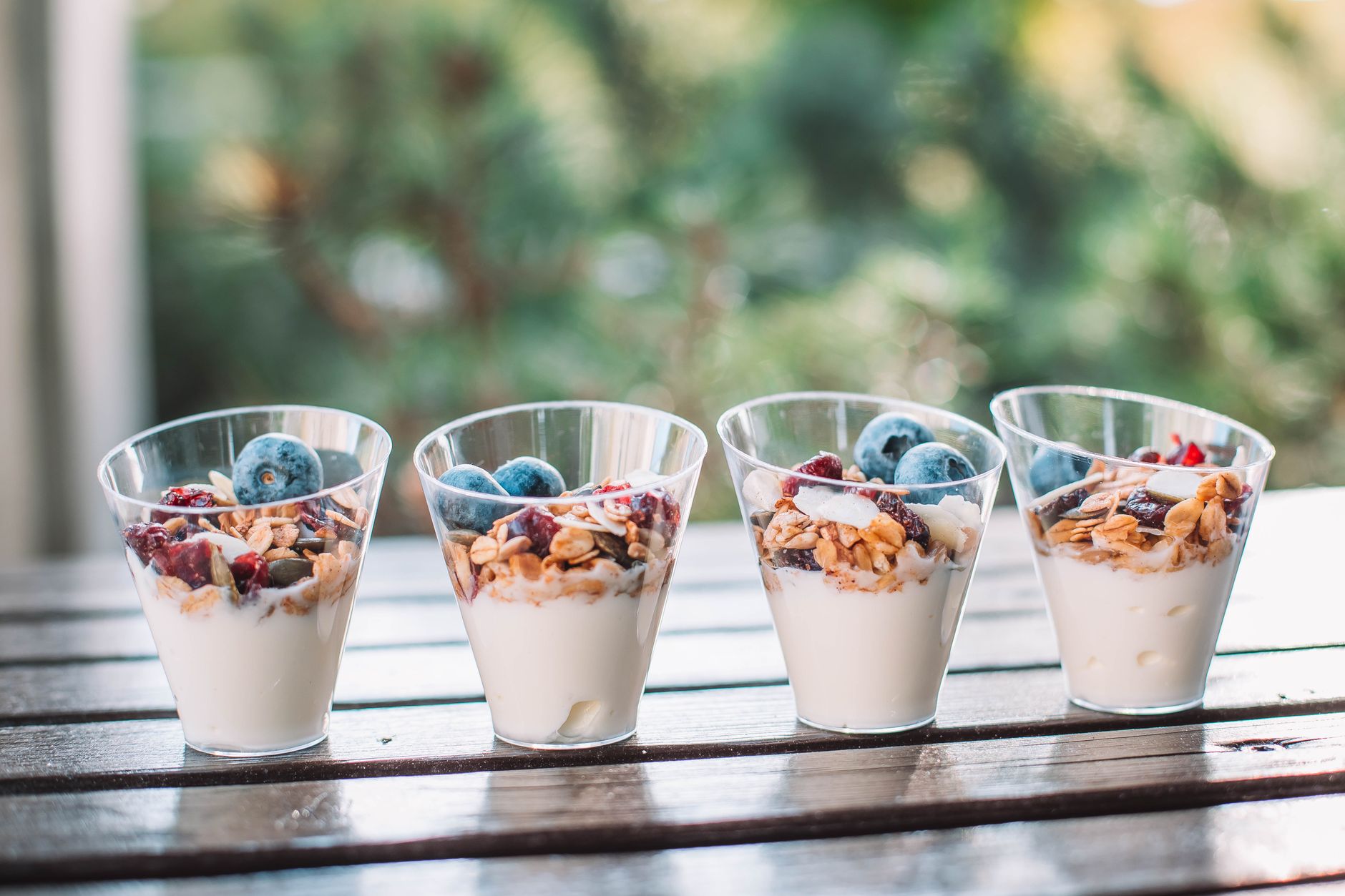
Blueberry Almond High-Protein Yoghurt Parfait
Blueberry Almond High-Protein Yoghurt Parfait is a dietician-designed breakfast built around reduced-fat Greek yoghurt, vanilla whey protein isolate and blueberries. It's made for GLP-1 medication users managing bloating, with protein kept high and portions sized for a smaller appetite.

Gentle Ginger Chicken Rice Bowl
A light, low-fat ginger chicken rice bowl designed for GLP-1 users who struggle with bloating. It uses easily digestible white rice, lean chicken, and a mild ginger broth base to reduce gas formation while still providing solid protein in a small, gentle portion.
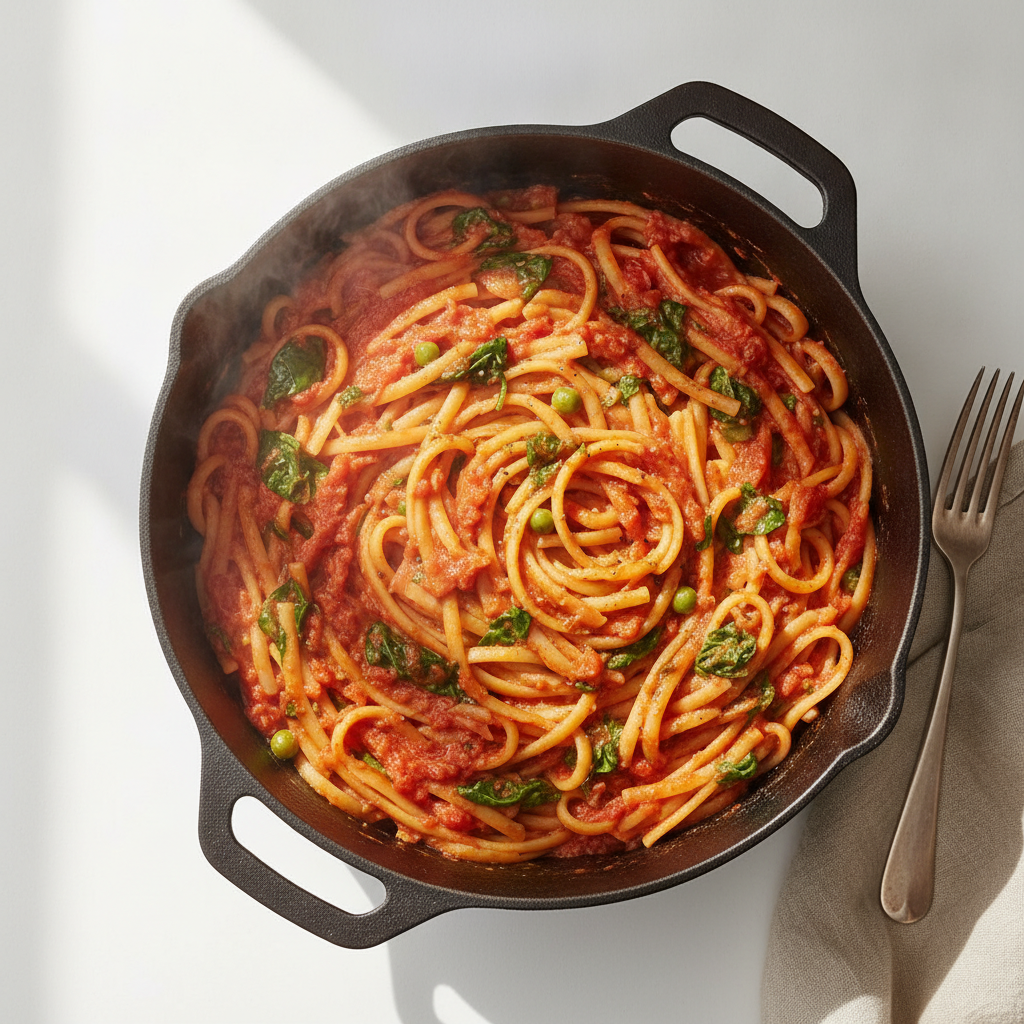
One-Pot Tomato Pasta with Hidden Veg
One-Pot Tomato Pasta with Hidden Veg blends finely grated zucchini and carrot straight into a smooth tomato sauce, so picky eaters get extra vegetables without noticing. It's designed for GLP-1 medication users managing bloating, with a soft, well-cooked texture that's gentle to digest.
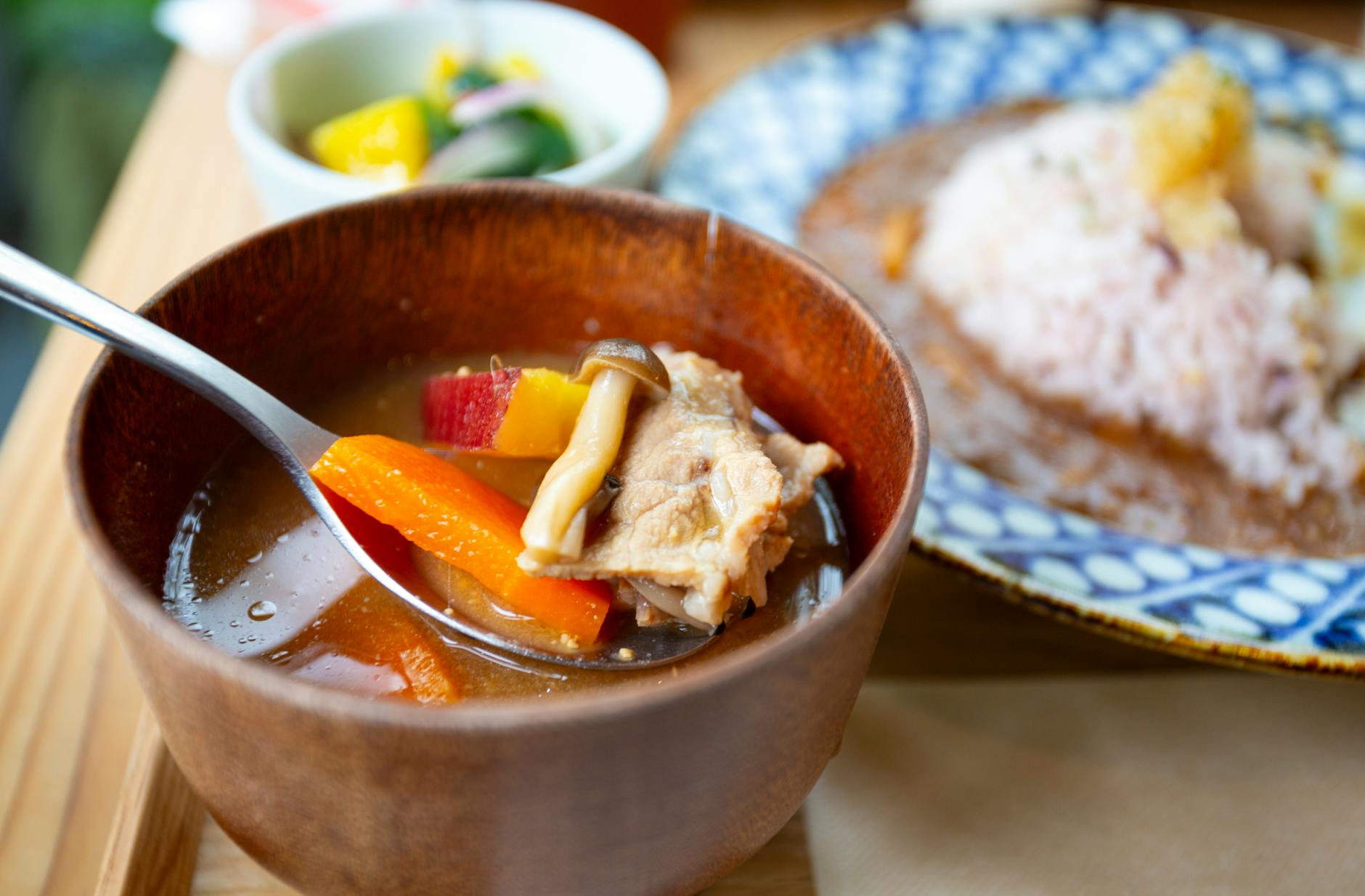
Gentle Chicken Rice Soup with Ginger
A light, low-fat chicken and rice soup designed for GLP-1 users who need something easy on the stomach. The smooth texture, low fiber content, and calming ginger help ease bloating while still providing protein and steady energy in a small, manageable portion.
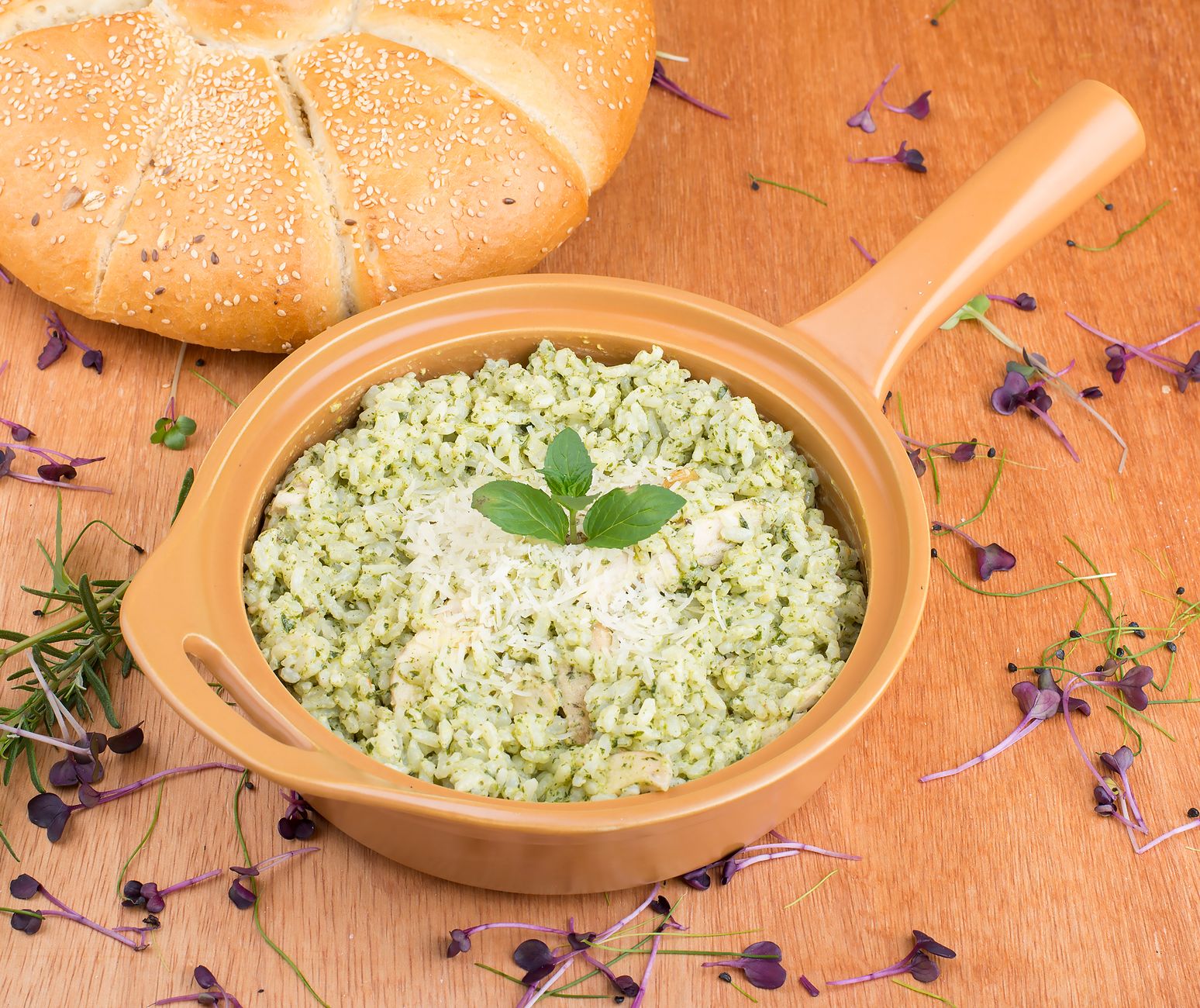
Herb Baked Cod with Soft Brown Rice Pasta
This gentle Mediterranean-style cod and soft brown rice pasta dinner is designed for GLP-1 users dealing with bloating, using low-fat fish and easily digestible, low-fiber carbs to reduce gas and fullness. Light herbs and olive oil add flavor without heavy sauces, while the small, protein-rich portion supports nutrition when appetite is low.
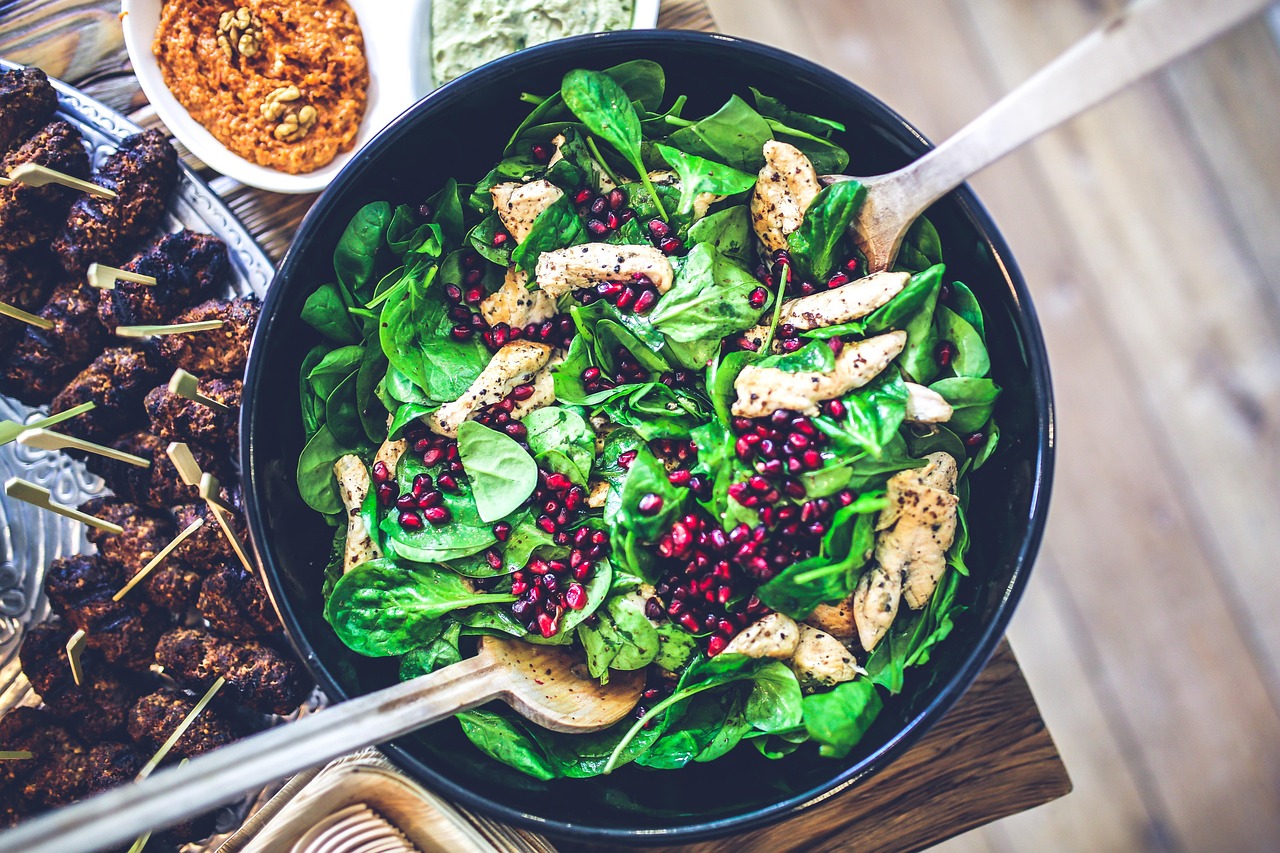
Herbed Cod & Couscous Bowl with Zucchini
This gentle herb cod couscous bowl is designed for GLP-1 users with bloating, using low-fat fish and soft couscous that are easy to digest and less likely to cause gas. The small, protein-rich portions help you meet nutrition needs despite reduced appetite while keeping fiber and fermentable ingredients modest to reduce bloating discomfort.
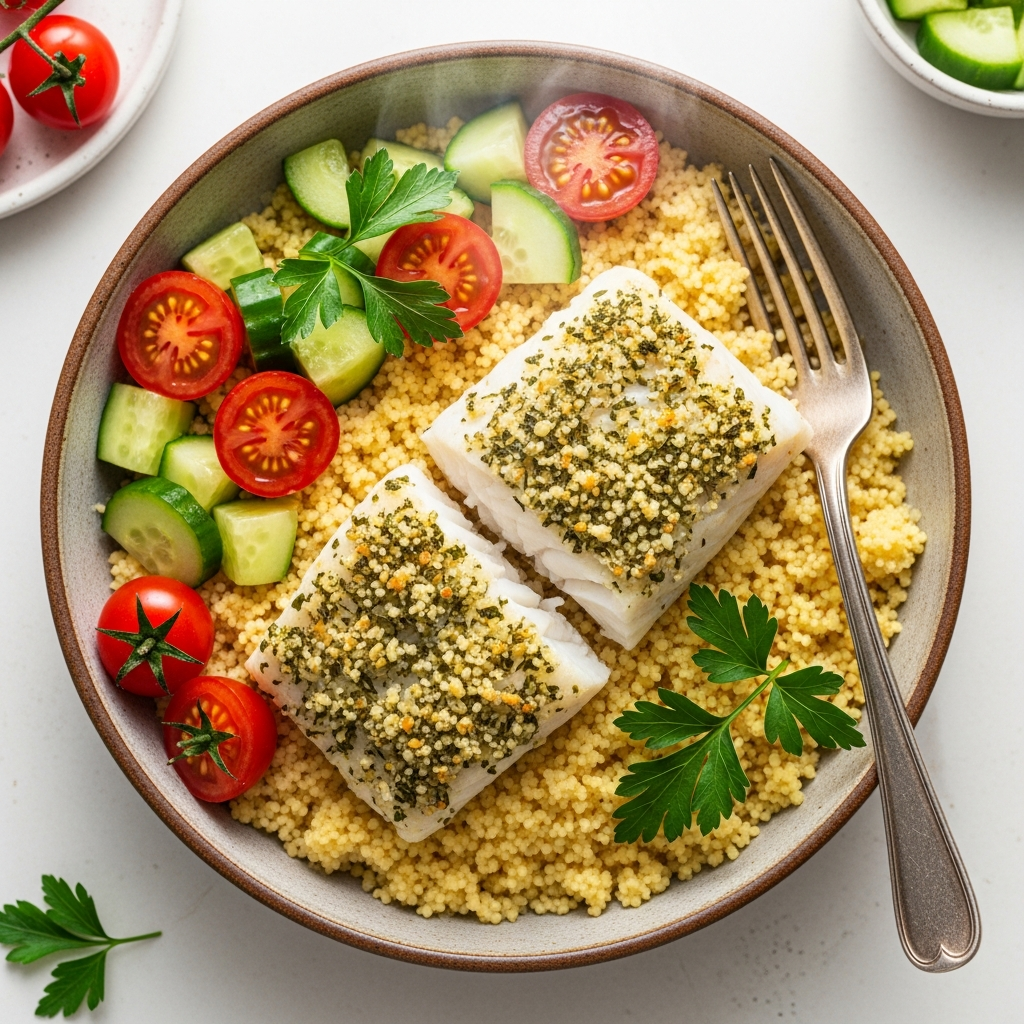
Parsley & Oregano Cod Couscous Bowl
This gentle herbed cod and couscous bowl is designed for GLP-1 users dealing with bloating, using low-fat fish and soft couscous that are easy to digest and light on the stomach. Mild Mediterranean herbs and a small portion size help reduce gas while still providing high-quality protein to support nutrition when appetite is low.
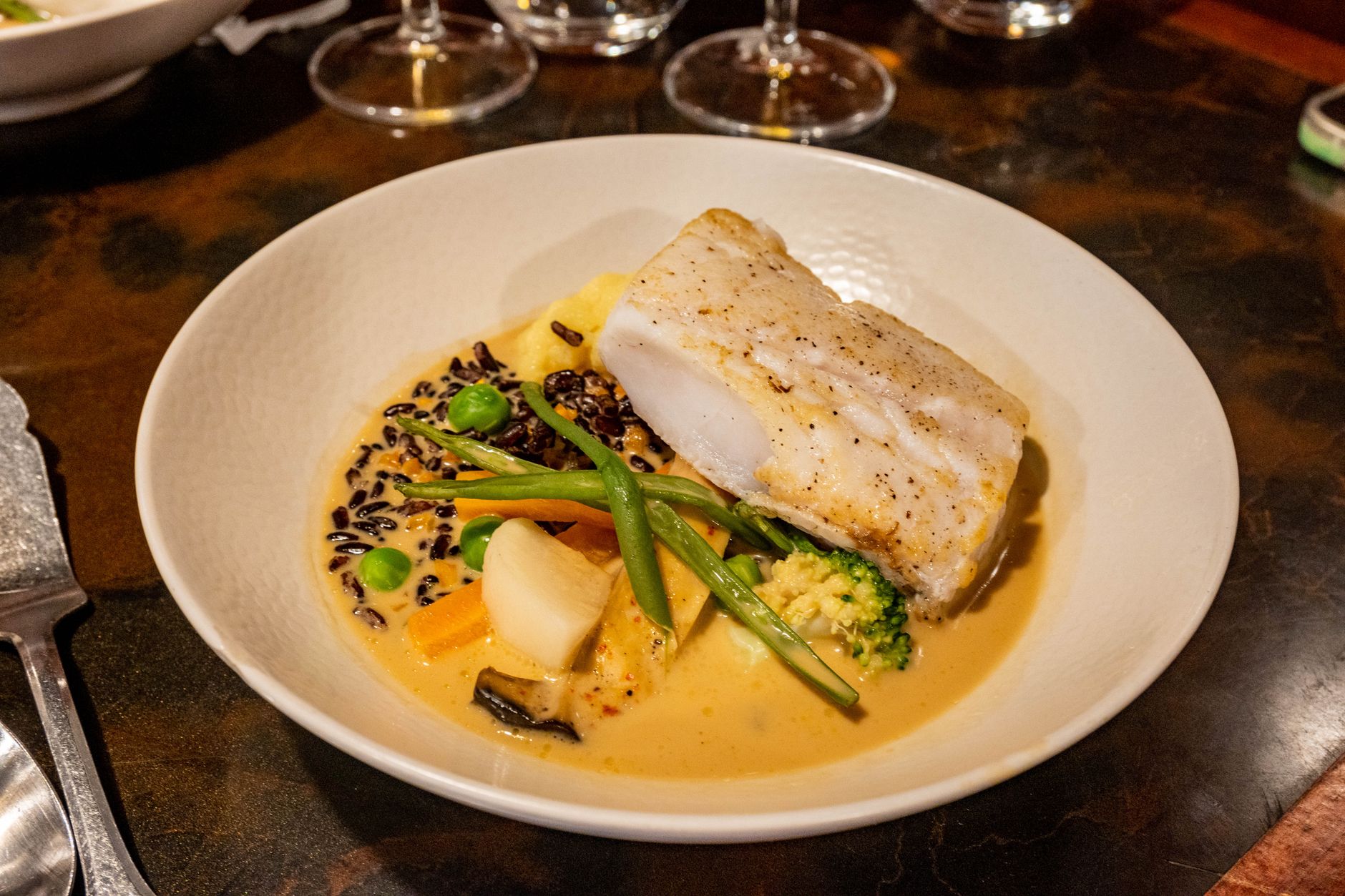
Herb Baked Cod with Soft Brown Rice and Carrot
This gentle Mediterranean-style cod dinner uses soft brown rice and tender carrots to provide slow-digesting carbs and lean protein without overloading the gut. It is low in fat, low in fermentable fiber, and lightly seasoned to help reduce bloating and gas for people on GLP-1 medications.
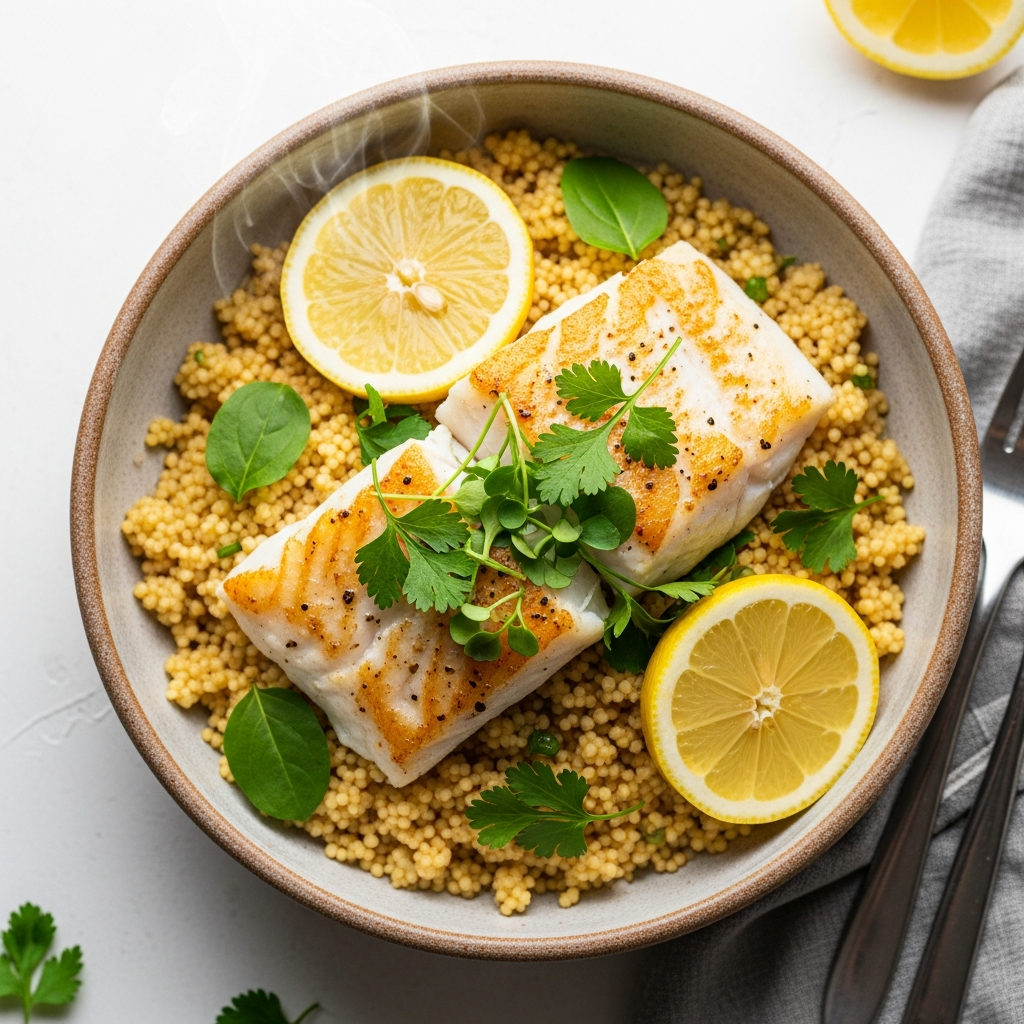
Mediterranean Herb Fish Couscous Lunch Bowl
This gentle Mediterranean-style fish couscous bowl is designed for GLP-1 users dealing with bloating, using low-fat white fish and soft couscous for easy digestion. Mild herbs and well-cooked low-FODMAP vegetables keep flavors light while providing protein and steady energy in a small, manageable portion.
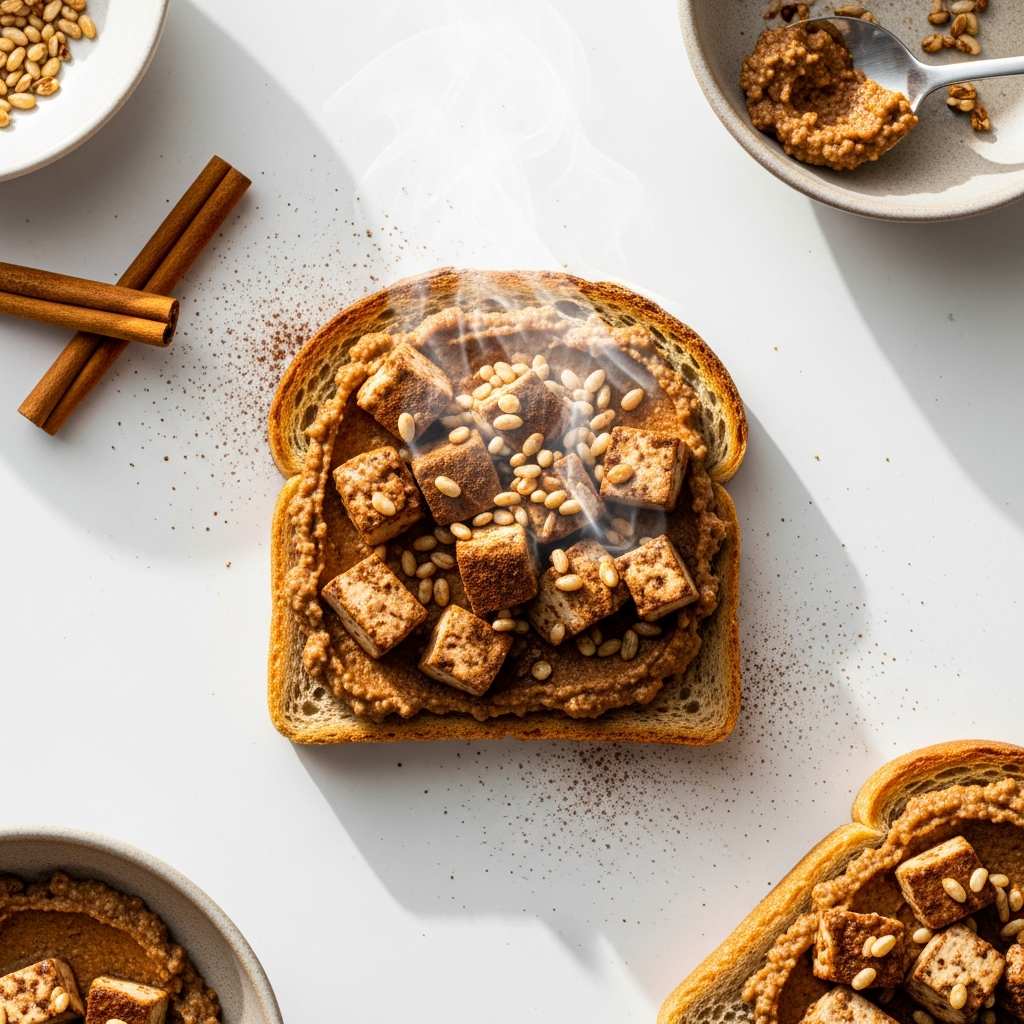
Warm Cinnamon Cocoa Tofu Toast with Brown Rice Spread
This gentle breakfast layers soft cinnamon-cocoa tofu and a smooth brown rice spread on lightly toasted bread for a warm, comforting start that’s easy on a bloated GLP-1 stomach. It’s low in fat and fibre, yet provides steady protein and carbs in small portions to support energy without overloading slow gastric emptying.
Bloating often comes with other side effects
Bloating, nausea, and a sensitive stomach often overlap. See our dedicated guides for each.