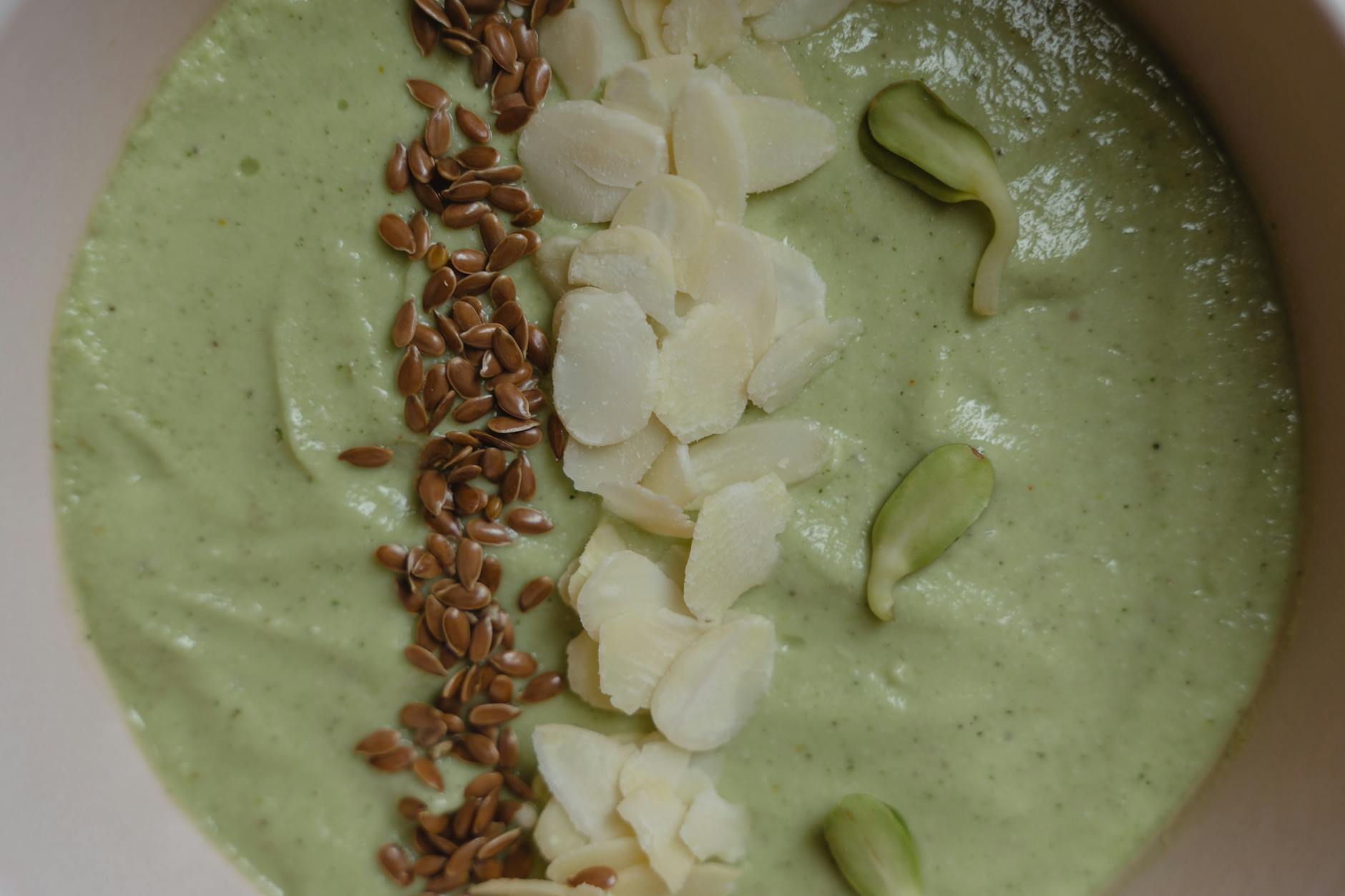
Creamy Matcha Almond Energy Smoothie
This creamy matcha almond smoothie is designed for people on GLP-1 medications who need a gentle, energy-supporting option when appetite is low. It combines quality protein, steady-release carbohydrates, and micronutrients to support steady energy without overwhelming the stomach.
Ingredients
- 300 ml unsweetened almond milk — chilled
- 150 g plain greek yogurt 2 percent — cold
- 50 g vanilla whey protein powder — scooped
- 80 g frozen banana — sliced
- 30 g baby spinach — rinsed
- 20 g rolled oats — dry
- 2 g matcha green tea powder — loose powder
- 10 g chopped almonds — lightly crushed optional
Instructions
- Add the almond milk to the blender first, followed by greek yogurt and vanilla whey protein powder.
- Add the frozen banana slices, baby spinach, rolled oats, and matcha green tea powder on top of the liquids.
- Blend on low speed for 20–30 seconds to gently break down the ingredients, then increase to high speed and blend until completely smooth and creamy, about 45–60 seconds.
- If the smoothie is too thick, add 30–50 ml more almond milk and blend again; if tolerated, pulse in the chopped almonds at the end for a few seconds for a soft texture.
- Taste and, if needed, let the smoothie sit for 2–3 minutes to allow air bubbles to settle, which can make it easier on a sensitive GLP-1 stomach.
- Pour into two small glasses; sip slowly over 10–20 minutes to support steady energy without overwhelming your digestion.
Tips for GLP-1 users
If fatigue is high, prepare the dry ingredients (oats, matcha, protein powder, almonds) in small jars ahead of time so you only need to add liquids and blend when you are low on energy.
For very sensitive stomach days, skip the almonds and let the smoothie warm slightly toward room temperature for 5–10 minutes, as very cold drinks can worsen nausea for some GLP-1 users.
If caffeine is an issue for you, use a decaf matcha or reduce the matcha by half; you will still get gentle antioxidants and flavor without overstimulation.
Build a day around Creamy Matcha Almond Energy Smoothie
Tell us how eating feels at the moment and we’ll build a day around this recipe.
Step 1 of 3
Please pick one so we know where to start.
Step 2 of 3
Pescatarian plus excluding both fish and shellfish doesn't leave anything to build from — pick one or the other.
Step 3 of 3
We will use this to send your day
We'll email you this day as a PDF, plus a quick intro to Food Signals and our current offer.
Please enter a valid email address.
Food Signals
Your day of meals
Daily Reference Ranges
Dietitian's Note
A lot to work around.
We've built this day inside everything you told us. With this many things to avoid — and a smaller appetite on top — it's worth talking it through with a dietitian who can look at the whole picture with you, especially around protein.
Missing something you'd like to see? Tell us what you'd cook and we'll add recipes that fit.
Thanks — we've got it.
We've emailed an intro to Food Signals, an overview of what it does, and our current offer — with your plan attached as a PDF.
Save this day?
Food Signals is open by waiting list at the moment. Add your details and we'll write to you when your place is ready — then you get 14 days of the whole app, with no card needed.
We never share your email, and you can ask us to delete it any time. Read our privacy policy → Consumer Health Data Privacy Policy
You're on the waiting list
We'll email when your place is ready, and you get 14 days of the whole app, with no card needed.
We're keeping this plan for you.
You're in — welcome!
Taking you straight into the app…
More Fatigue recipes
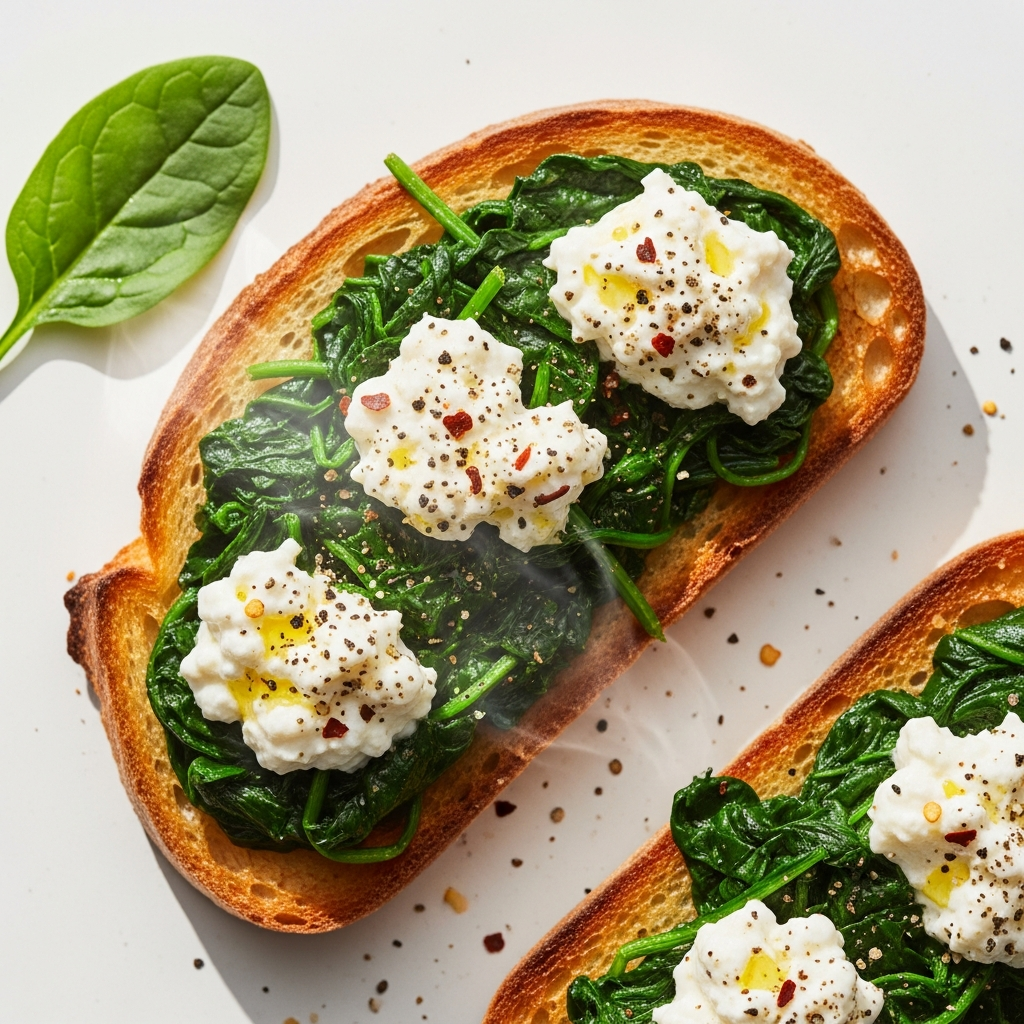
Spinach & Ricotta Breakfast Toast
Spinach & Ricotta Breakfast Toast is a dietician-designed breakfast built around wholegrain sourdough, reduced-fat ricotta and large egg. It's made for GLP-1 medication users managing fatigue, with protein kept high and portions sized for a smaller appetite.
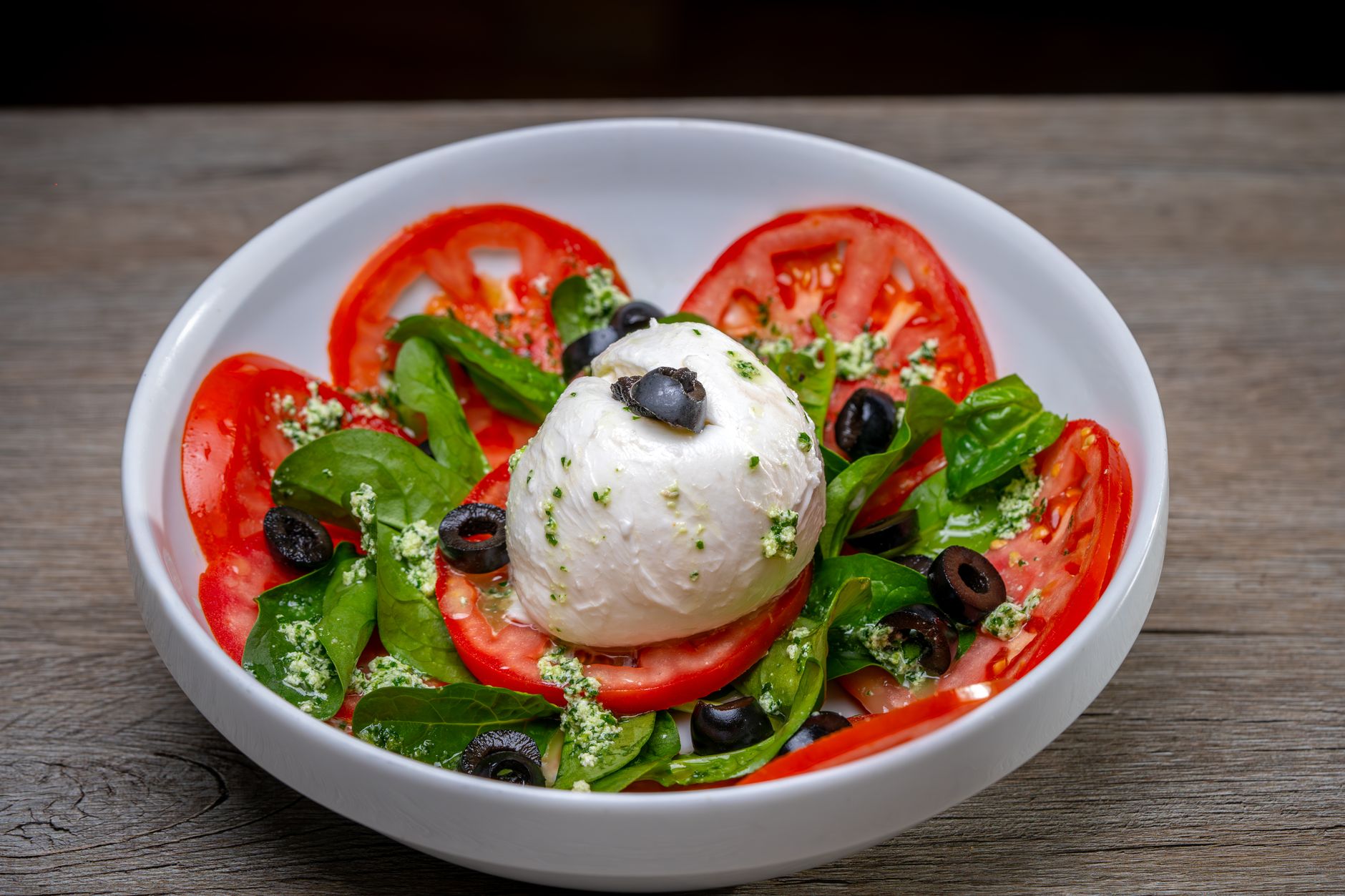
Caprese Cottage Cheese Bowl
Caprese Cottage Cheese Bowl is a dietician-designed snack built around light cottage cheese, cherry tomatoes and fresh basil leaves. It's made for GLP-1 medication users managing fatigue, with protein kept high and portions sized for a smaller appetite.
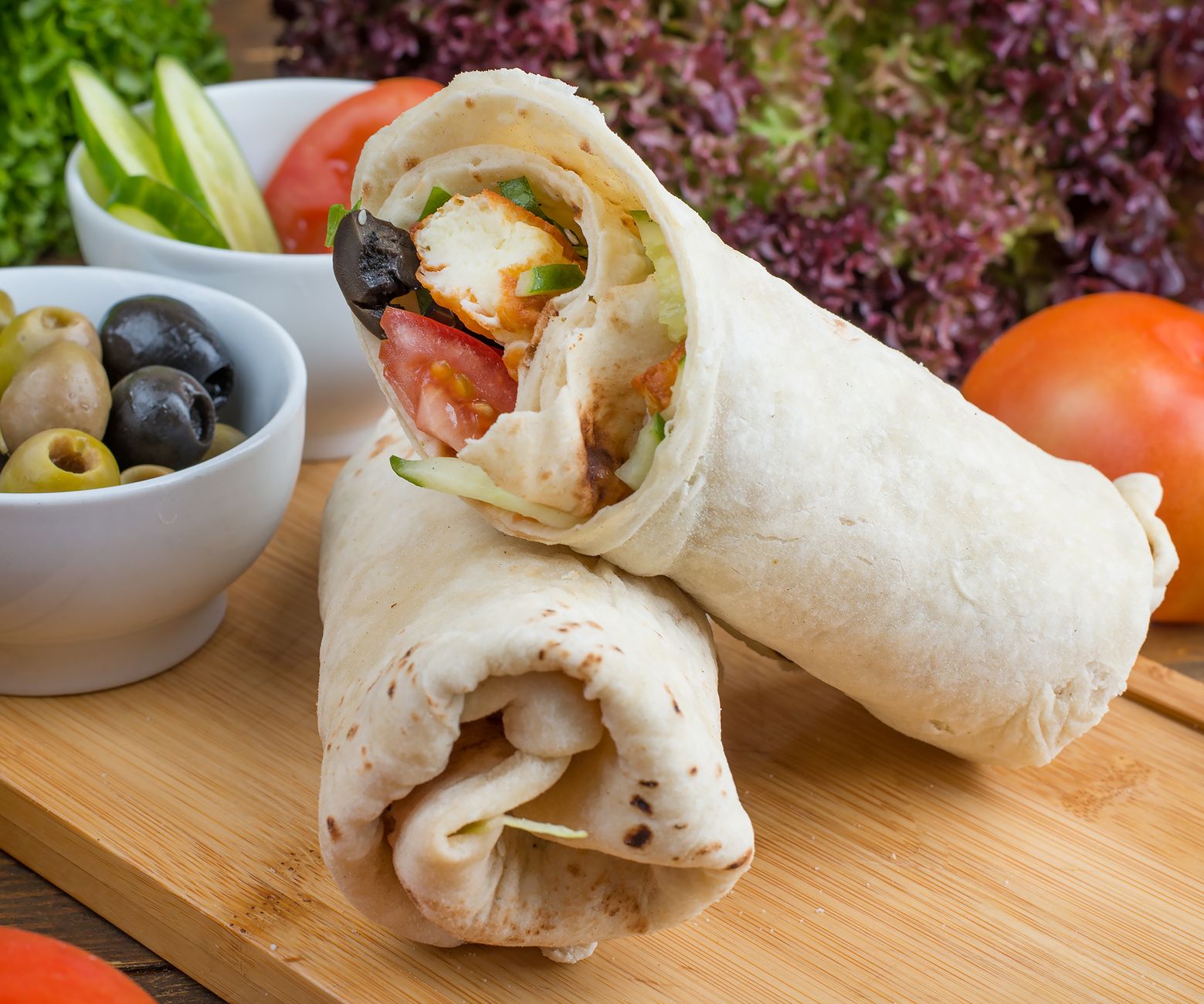
Mediterranean Turkey Pinwheels
Mediterranean Turkey Pinwheels is a dietician-designed snack built around sliced roast turkey breast, small wholegrain tortilla and reduced-fat cream cheese. It's made for GLP-1 medication users managing fatigue, with protein kept high and portions sized for a smaller appetite.